Tanzania: The Jewel of Africa

Safari in Tanzania: The Jewel of Africa

Embark on an unforgetable journey, Safari in Tanzania, a land renowned for its breathtaking landscapes and diverse wildlife.

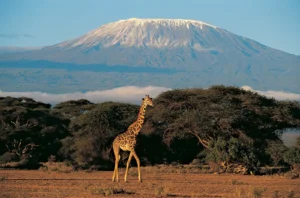
Tanzania offers unparalleled opportunities for adventure and discovery, from the majestic Mount Kilimanjaro to the vast Serengeti National Park.

Discover the Serengeti: A Safari Adventure

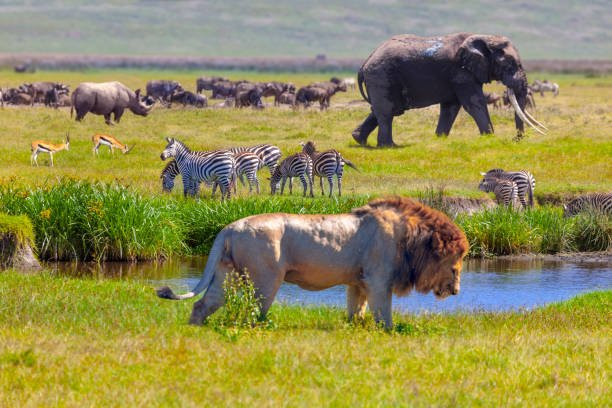
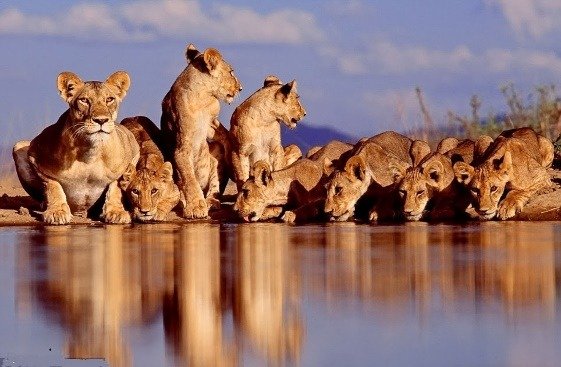
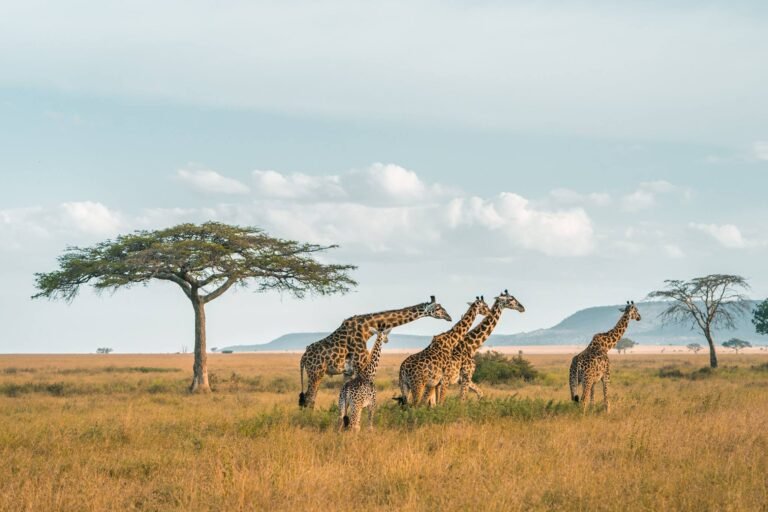
The Serengeti National Park in Tanzania is a breathtaking destination for wildlife enthusiasts. The vast savanna plains, dotted with acacia trees, provide a dramatic backdrop for a thrilling safari adventure. The Serengeti is renowned for its incredible diversity of wildlife, including iconic species like lions, elephants, zebras, wildebeest, and leopards. With guided tours, you can explore the park’s diverse ecosystems, witnessing firsthand the intricate web of life.

Witness the Great Migration while on Safari in Tanzania

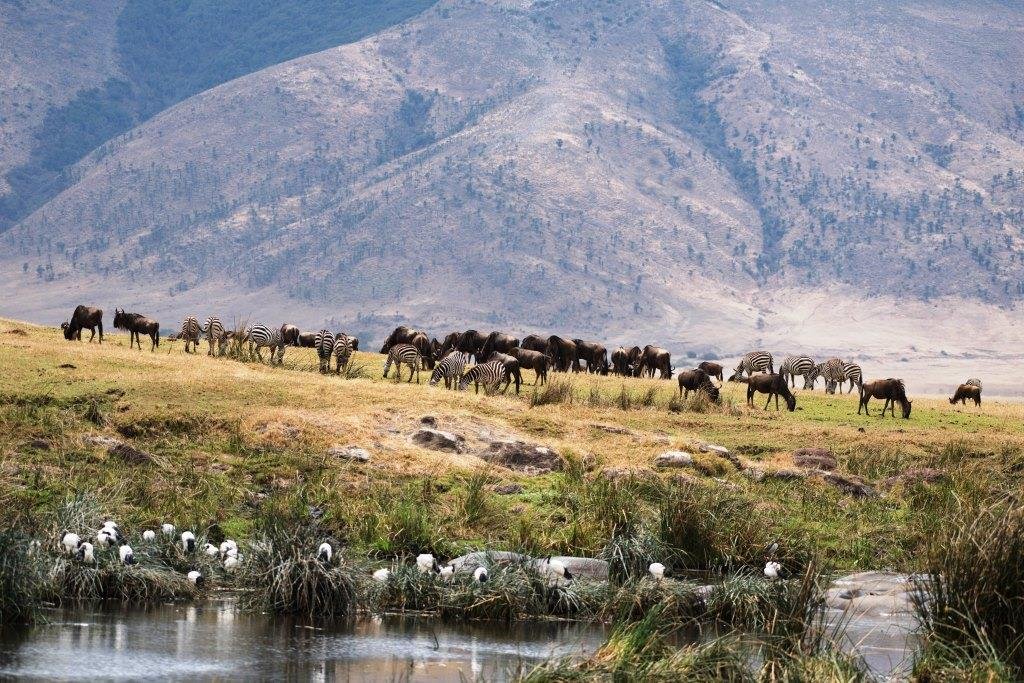
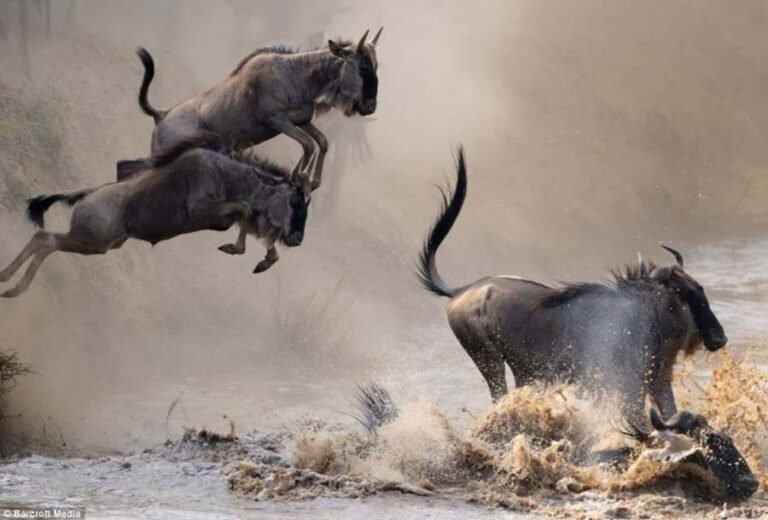
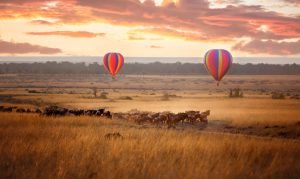
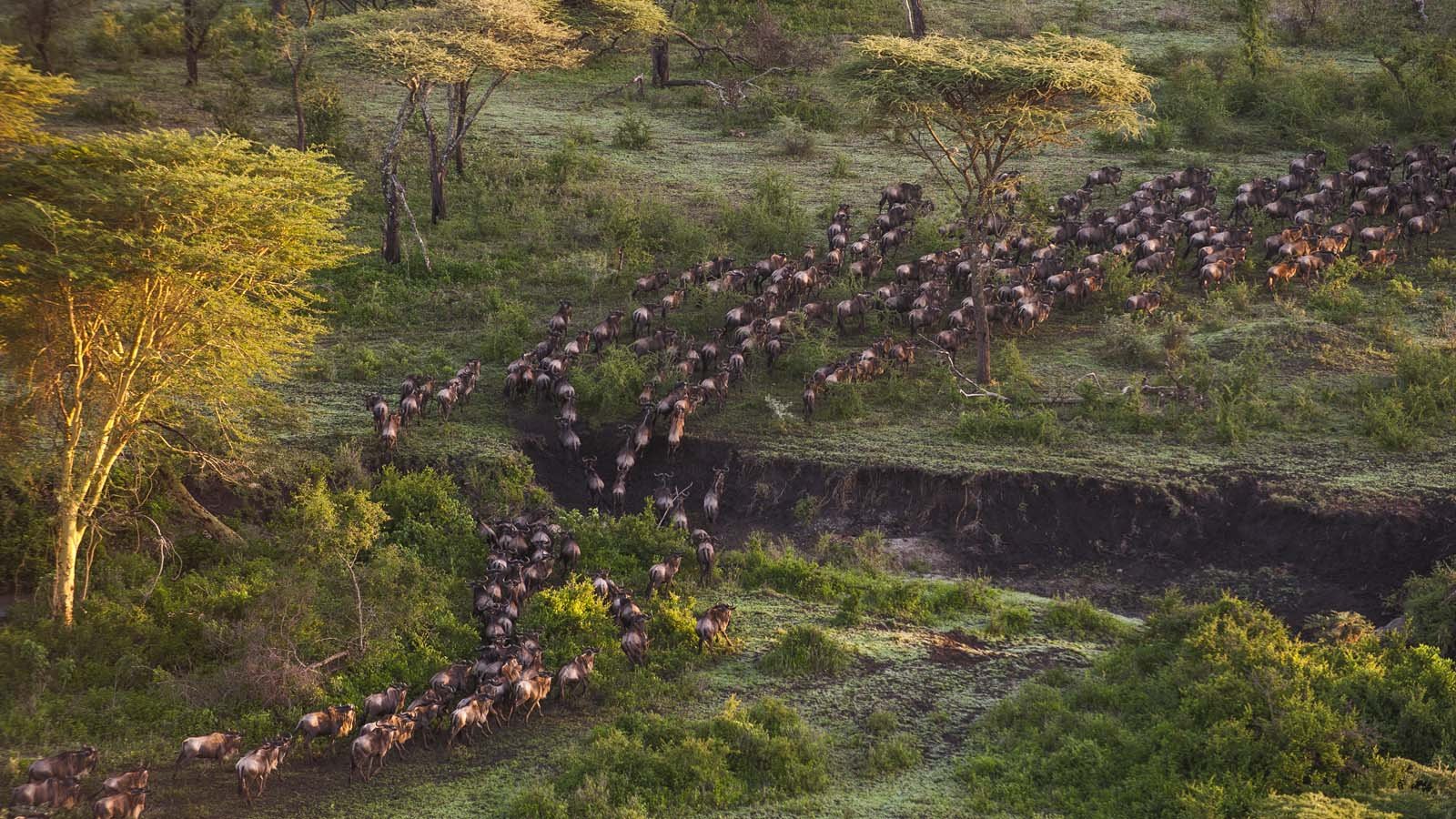
The Great Migration is an awe-inspiring spectacle while on safari in Tanzania. Millions of wildebeest and zebra traverse the Serengeti National Park, following the rains and searching for fresh grazing grounds. The migration is a sight to behold, with vast herds of animals moving across the plains, their hooves pounding the earth.

Witnessing this natural wonder is a highlight of any safari trip to Tanzania. The migration is a testament to the power and resilience of nature, and it is sure to leave a lasting impression.

Read more about Great Migration>>

Climb the Majestic Mount Kilimanjaro

Reaching the Summit

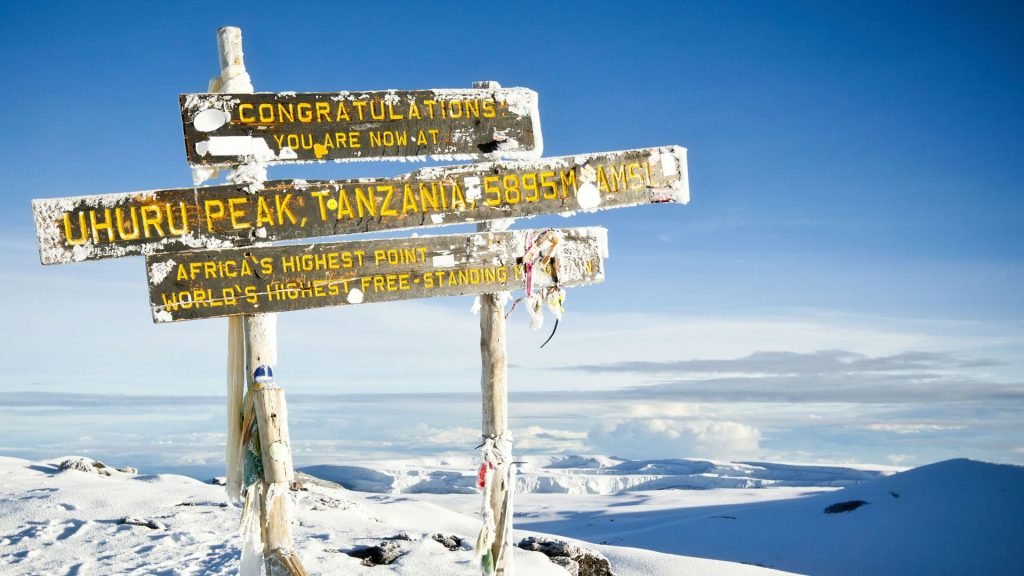
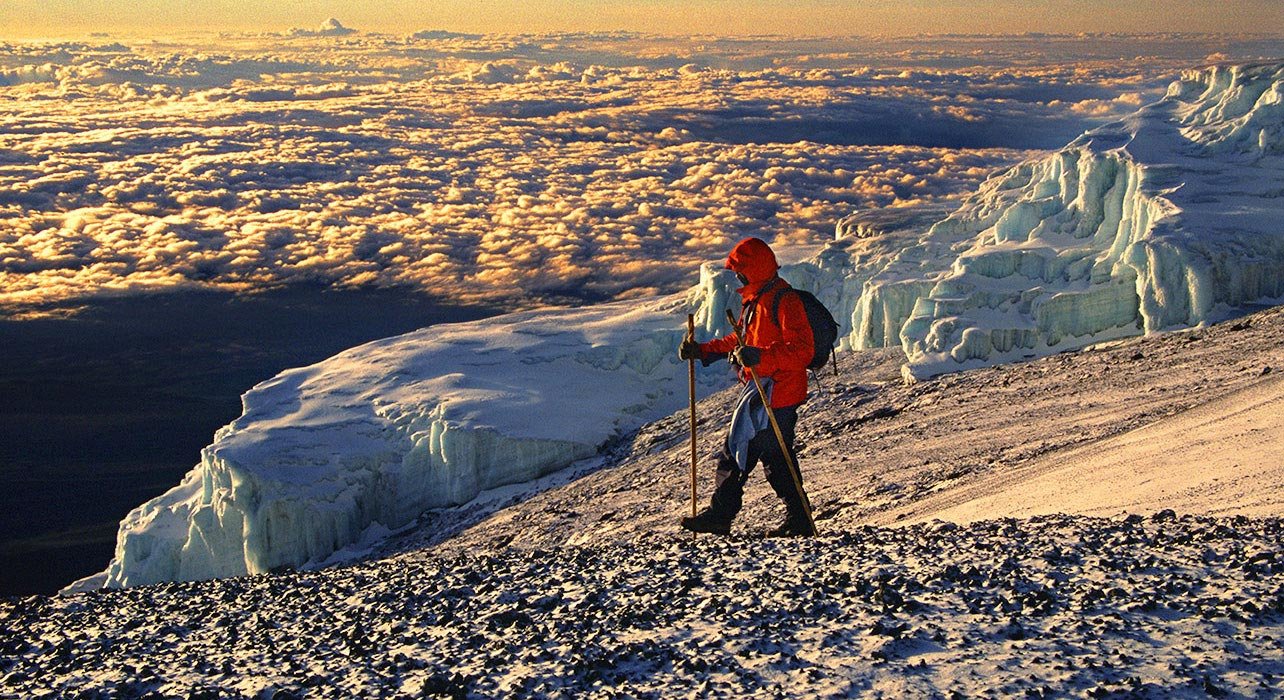
Conquer the highest peak in Africa and experience the thrill of standing atop Kilimanjaro. This iconic mountain offers breathtaking views and a sense of accomplishment.

A Majestic Peak

Kilimanjaro is a dormant volcano with three distinct peaks, the highest being Kibo. It is a popular destination for hikers and climbers.

Guided Trekking

Experience the beauty and challenges of Kilimanjaro with a guided trek, ensuring a safe and memorable ascent.

Campsite Life

Enjoy the unique experience of camping at high altitudes on Kilimanjaro, where you can reconnect with nature and appreciate the stars.

Explore the Stunning Ngorongoro Crater

Ngorongoro Crater: A World Within a World

This massive volcanic caldera is home to an incredible diversity of wildlife. The crater floor is a vast expanse of grassland, forests, and swamps.

Abundant Wildlife

Observe the majestic African elephants, graceful zebras, and other iconic animals in their natural habitat.

Safari Adventures

Embark on a thrilling safari experience and witness the wonders of the Ngorongoro Crater firsthand.

Cultural Encounters

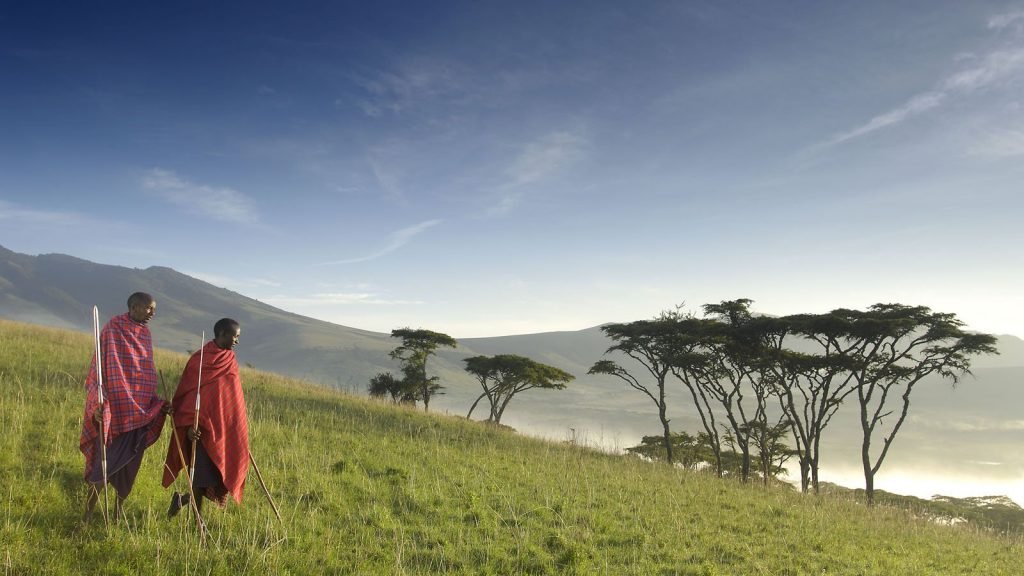
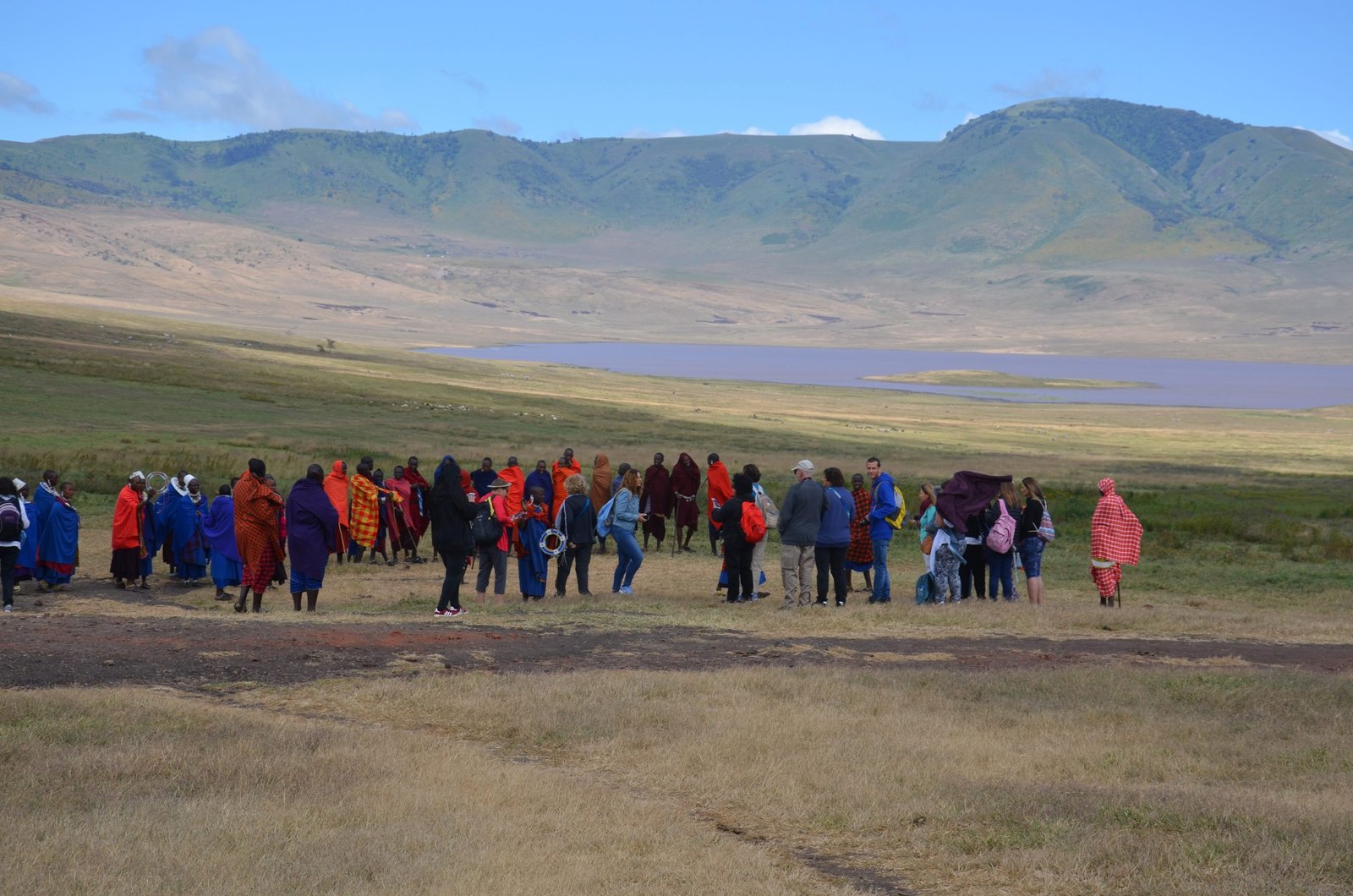
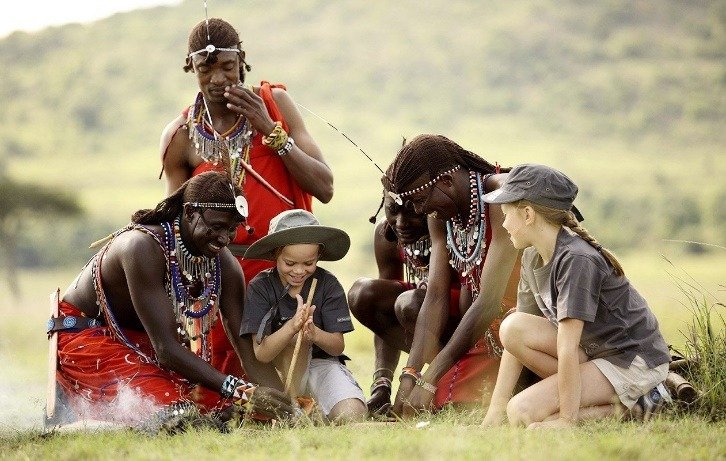
Engage with the Maasai people, whose ancestral lands surround the crater, and learn about their rich traditions.

Immerse Yourself in Zanzibar’s Rich Culture

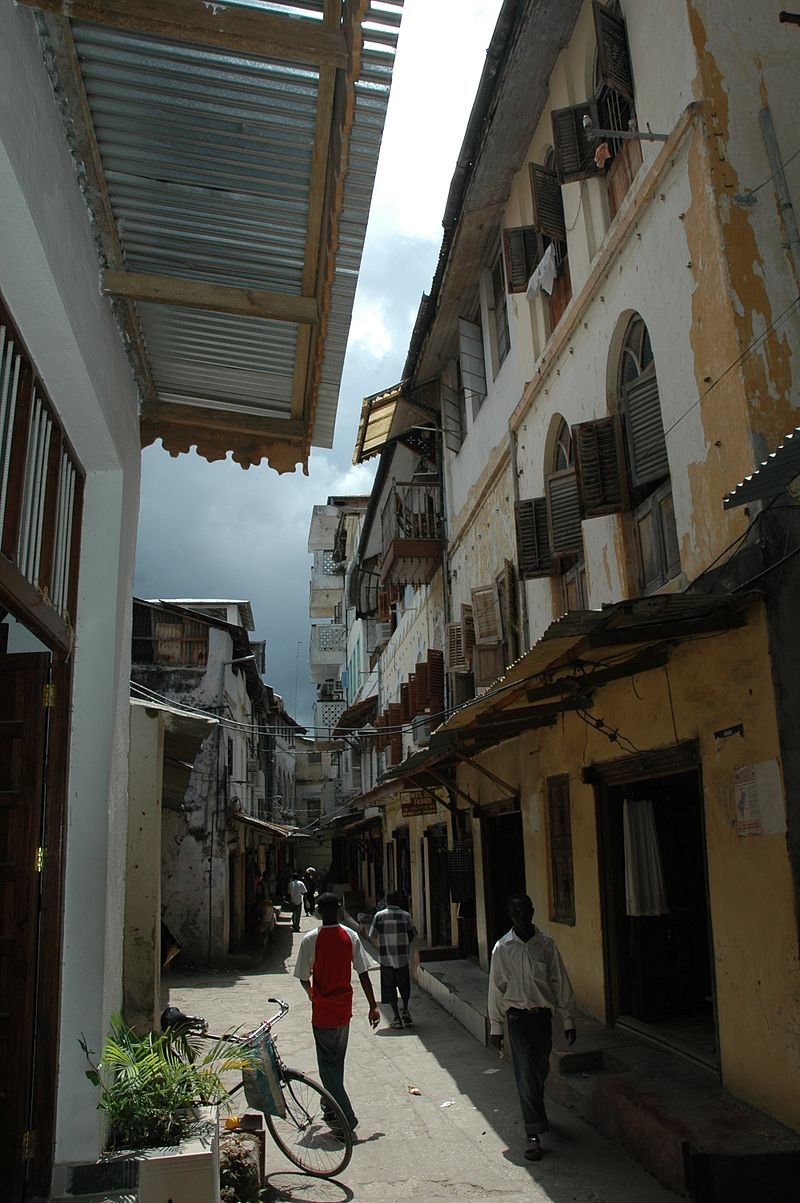
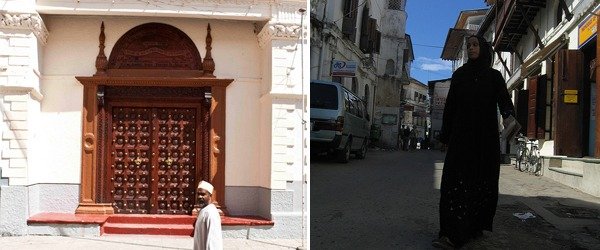
Zanzibar is a cultural melting pot. Stone Town, a UNESCO World Heritage Site, is filled with Arab, Indian, and African influences. Explore the narrow winding streets, visit historic mosques, and discover bustling markets.

Experience the vibrant nightlife, listen to traditional Taarab music, and enjoy delicious Swahili cuisine. Zanzibar’s rich history and diverse culture offer unforgettable experiences.

Read more about Vacation in Zanzibar>>

The Best Time To Visit and do Safari in Tanzania

Dry Season (June-October)

Enjoy optimal wildlife viewing and clear skies.

Rainy Season (November-May)

Witness the lush landscapes and experience fewer crowds.

Shoulder Seasons (April-May & September-October)

Experience pleasant weather and moderate crowds.

Getting to Tanzania: Flights and Visas

Direct Flights

Several airlines offer direct flights from major cities to Tanzania, including Kilimanjaro International Airport (JRO) and Julius Nyerere International Airport (DAR).

Visa Requirements

Most visitors require a visa to enter Tanzania, which can be obtained online, upon arrival at the airport, or at Tanzanian embassies.

Travel Insurance

It’s crucial to have comprehensive travel insurance that covers medical emergencies, flight cancellations, and lost luggage.

Packing for Your Tanzanian Adventure

Essentials

Pack lightweight, breathable clothing suitable for various climates.

Include a hat, sunglasses, and sunscreen to protect from the sun.

Bring sturdy hiking boots for safaris and mountain treks.

Additional Items

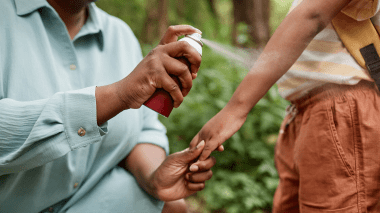
Mosquito repellent is essential for evenings and early mornings.

Pack a first-aid kit with basic medications.

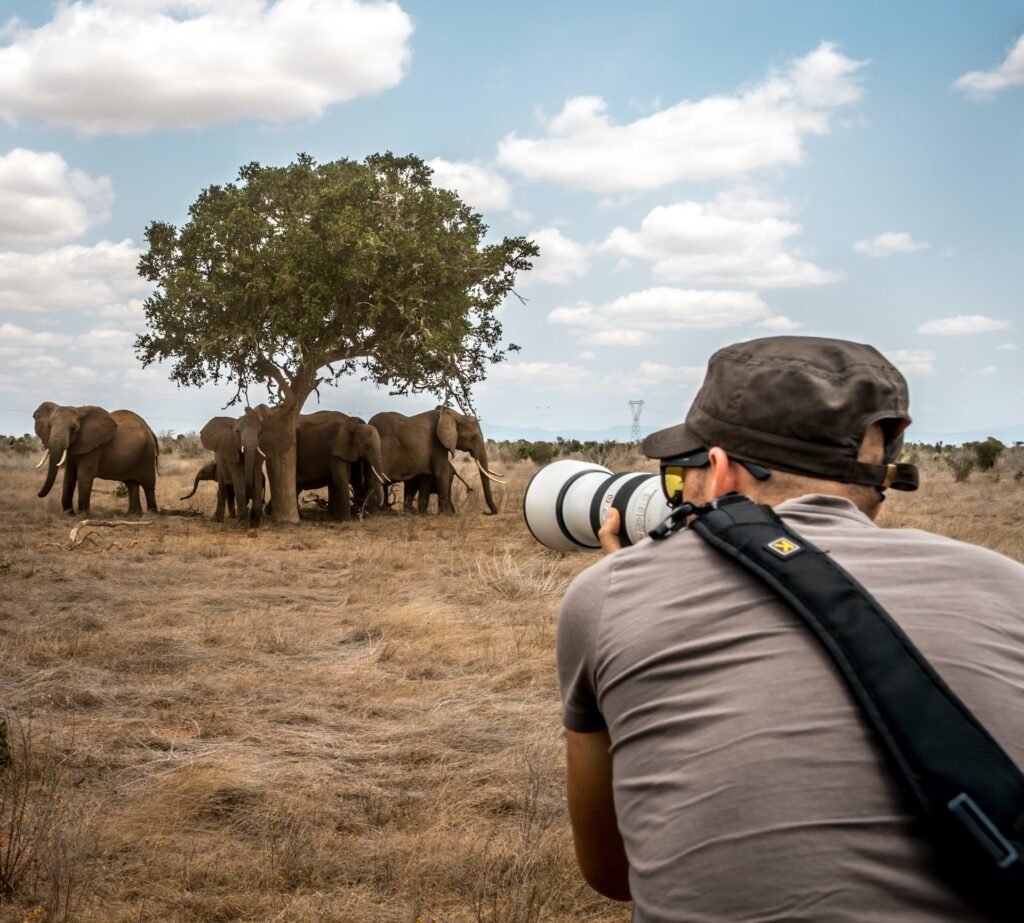
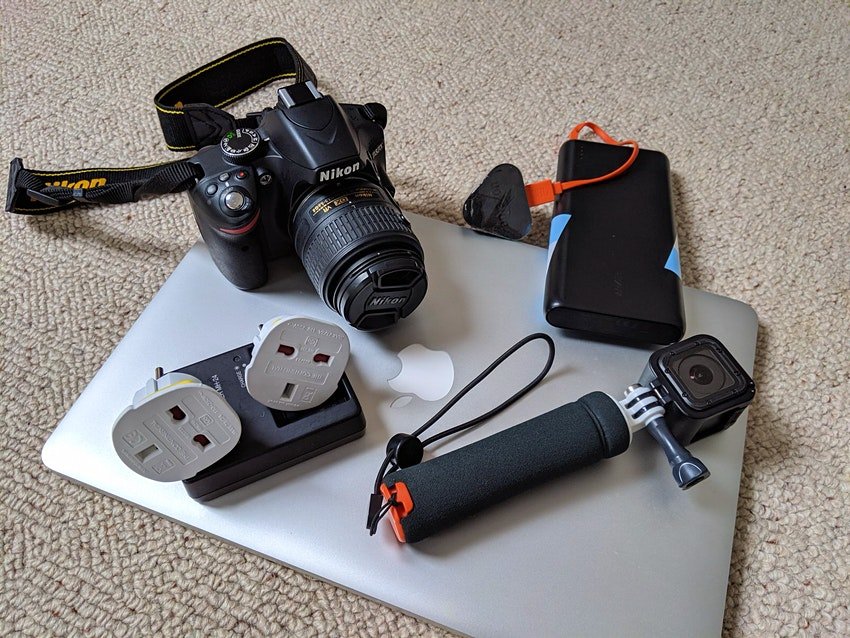
Consider a camera with a good zoom lens for wildlife photography.

Accommodations: From Luxury Lodges to Tented Camps

Luxury Lodges

Immerse yourself in elegance with luxurious lodges offering stunning views, exceptional amenities, and personalized service. Experience the ultimate comfort while enjoying the wild beauty of Tanzania.

Tented Camps

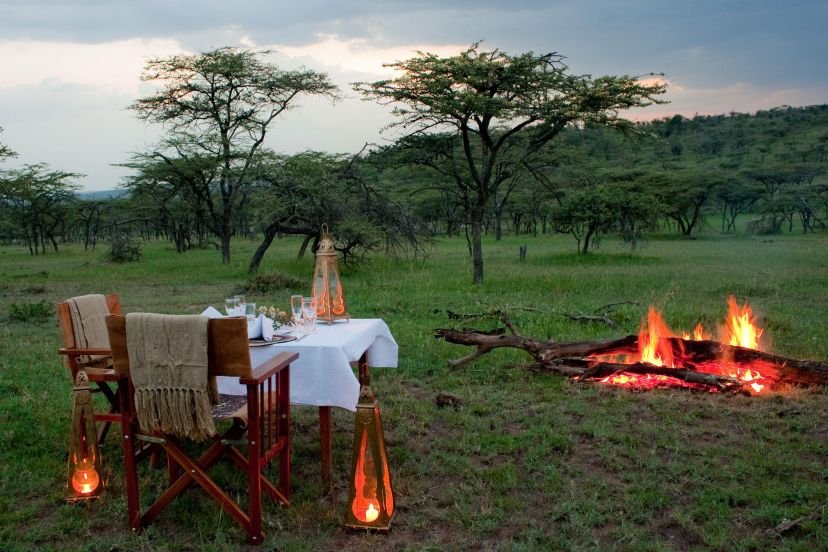
Embrace the spirit of adventure with comfortable tented camps nestled amidst the wilderness. Enjoy a unique experience with breathtaking views of the African landscape.

Budget-Friendly Options

Explore diverse lodging options for all budgets, including guesthouses, homestays, and backpacker hostels, providing comfortable accommodation while keeping travel expenses manageable.

Dining while on safari in Tanzania: Savor Local Flavors

Taste the Local Cuisine

Discover unique flavors and spices in Tanzania’s diverse culinary scene.

Fresh Ingredients

Enjoy flavorful dishes made with fresh, locally sourced ingredients.

Regional Specialties

Experience the distinct flavors of different Tanzanian regions, from coastal seafood to inland stews.

Street Food Delights

Try the vibrant street food scene, offering affordable and authentic local bites.

Safety and Security Considerations

Tanzania’s Safety Record

Tanzania is generally a safe country for tourists.

The government prioritizes tourism safety and security.

However, it is important to be aware of potential risks.

Essential Precautions

Stay vigilant in crowded areas.

Avoid traveling alone at night.

Keep your valuables secure.

Follow the guidance of local authorities.

Responsible Tourism: Protecting the Environment

Sustainable Practices

Embrace eco-friendly accommodations, minimize waste, and support local communities.

Conservation Efforts

Contribute to wildlife conservation by supporting organizations dedicated to protecting Tanzania’s natural treasures.

Respecting Wildlife

Maintain a safe distance from animals, avoid littering, and refrain from disturbing their natural habitats.

Photography Tips for Capturing Tanzania’s Beauty

Timing is Key

Sunrise and sunset offer the best light for dramatic photos. Golden hours create a magical atmosphere.

Capture the Wildlife

Patience is essential for capturing wildlife. Be prepared to wait for the perfect shot. Focus on behavior and interactions.

Use a Wide-Angle Lens

A wide-angle lens helps capture the vast landscapes and dramatic scenery. It can also capture expansive views of the wildlife.

Don’t Forget the Details

Focus on the small details, like colorful flowers, unique textures, or intricate patterns. These can make for captivating close-up shots.

Wildlife Conservation Efforts in Tanzania

Protecting Endangered Species

Tanzania is home to a wide range of endangered animals, such as elephants, rhinos, and lions.

The government and conservation organizations work together to protect these animals and their habitats.

Community Involvement

Local communities play a crucial role in wildlife conservation.

Many Tanzanian communities depend on tourism for their livelihoods, so they have a vested interest in protecting wildlife.

Exploring Tribal Villages and Meeting the Locals

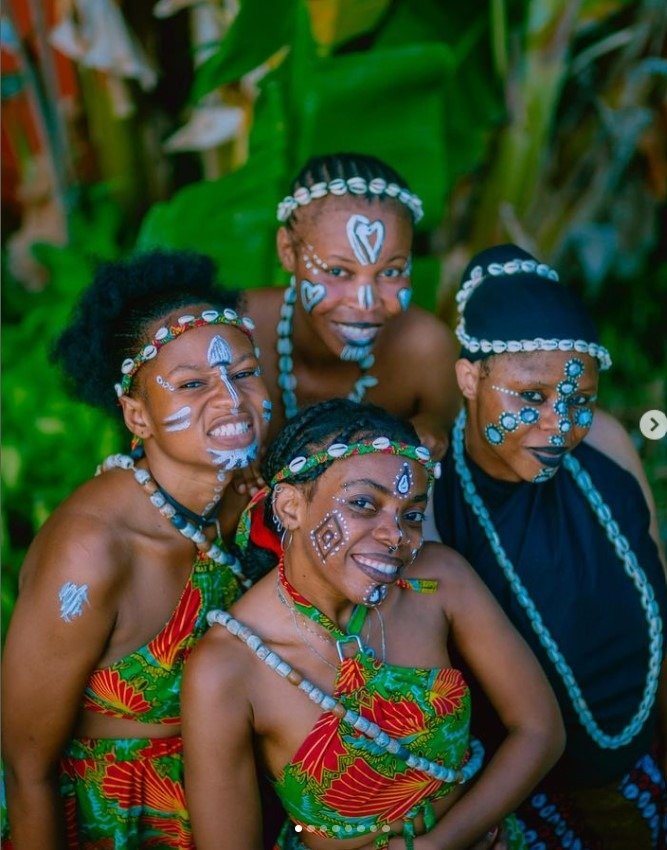
Tanzania is home to numerous tribes, each with unique traditions and cultures.

Engage in cultural exchange by visiting local villages, learn about their way of life, and connect with the people.

Respect their customs and traditions, ask permission before taking photos, and be mindful of your impact.

The Importance of Cultural Sensitivity

Respect Local Customs

Tanzania’s diverse cultures hold deep traditions and values.

Show respect for local customs and traditions.

Engage with Locals

Learn about local customs and traditions.

Engage with locals in a respectful and sensitive manner.

Embrace Diversity

Tanzania’s rich cultural diversity is a significant part of its allure.

Embrace the diversity and learn from different perspectives.

Balancing Adventure and Relaxation

Adventure

Tanzania offers a diverse landscape, from the iconic Serengeti to the majestic Mount Kilimanjaro. Explore this vast African nation and experience its incredible wildlife and natural beauty.

Relaxation

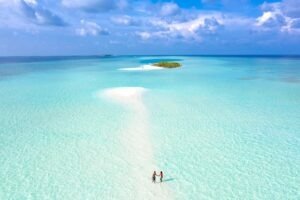
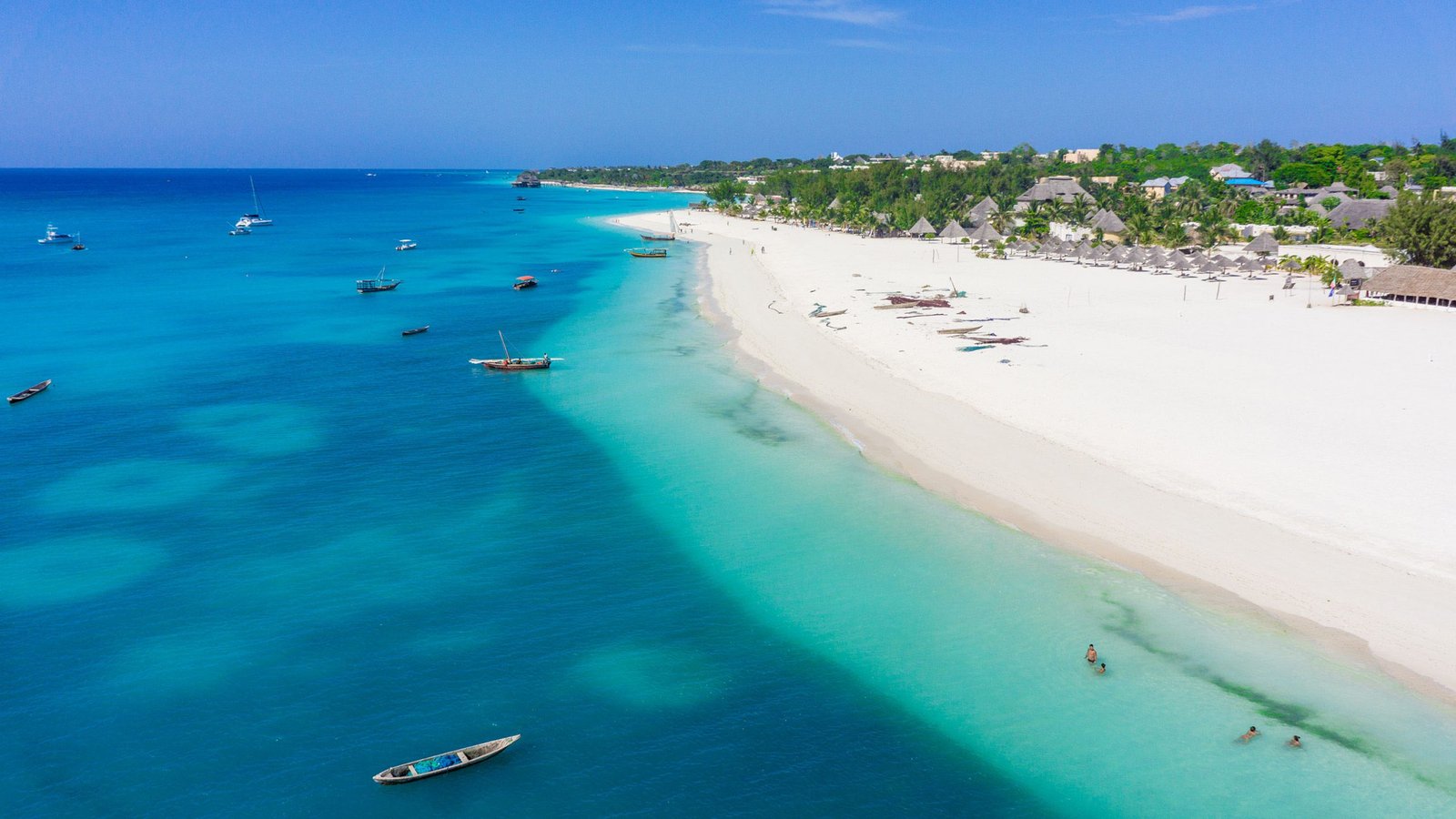
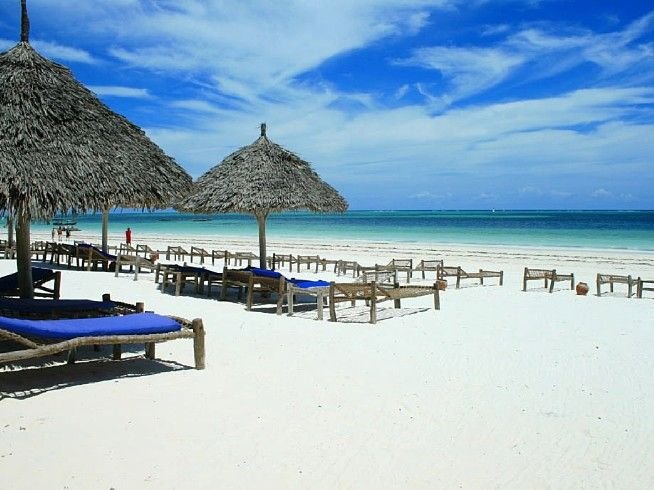
Unwind on the pristine beaches of Zanzibar, with its turquoise waters and white sands. Take a break from the adventure and soak up the tropical atmosphere.

Hiking Through the Lush Rainforests

Udzungwa Mountains

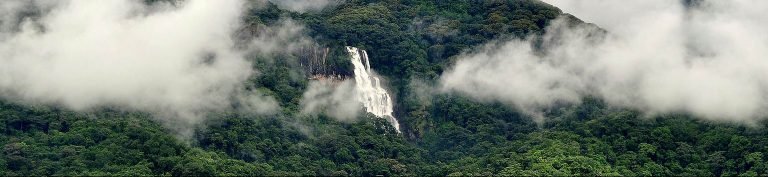
Explore the Udzungwa Mountains National Park, known for its diverse rainforests and rich biodiversity.

Hiking Trails

Enjoy scenic hiking trails, encountering waterfalls, rare birds, and unique primates.

Rainforest Experience

Immerse yourself in the vibrant ecosystem, breathing in the fresh air and witnessing the beauty of nature.

Snorkeling and Diving in Zanzibar’s Turquoise Waters

Zanzibar offers incredible snorkeling and diving opportunities. The crystal-clear waters of the Indian Ocean teem with vibrant marine life. Diverse coral reefs and colorful fish await exploration.

Explore Coral Reefs

Experience vibrant coral reefs.

Encounter Marine Life

Swim alongside colorful fish.

Discover Hidden Treasures

Explore shipwrecks and underwater caves.

Budgeting for Your Tanzanian Dream Vacation

Planning a trip to Tanzania requires a realistic budget based on your travel style and preferences.

Consider factors like flights, accommodation, park fees, activities, and meals.

Daily Budget – $400

Estimate a reasonable daily budget for your trip. Include the cost of accommodation, meals, activities, and transportation.

Accommodation – $250

Accommodation options vary widely, ranging from budget-friendly guesthouses to luxury safari lodges.

Park Fees – $700

Entrance fees for national parks and other attractions are typically non-negotiable. Plan for these costs upfront.

Activities – $3500

Activities like safaris, mountain climbing, and cultural excursions have varying costs. Choose activities that align with your budget.

Staying Healthy and Avoiding Potential Risks

Hydration and Heat

Staying hydrated is crucial in Tanzania’s warm climate. Drink plenty of bottled water to prevent dehydration.

Mosquito Protection

Protect yourself from mosquito-borne illnesses like malaria by using mosquito repellent and sleeping under a mosquito net.

Vaccinations and Health

Consult your doctor about recommended vaccinations and necessary medications before your trip.

Capturing Memories: Souvenirs and Keepsakes

Tanzania is a treasure trove of unique and authentic souvenirs.

  • Hand-woven textiles
  • Carved wooden masks
  • Local spices and coffee

Photography is an essential part of capturing your Tanzanian memories.

  • Photos of wildlife and landscapes
  • Selfies with locals and friends
  • Pictures of your adventures and experiences

Keep a travel journal to record your thoughts, emotions, and experiences.

  • Describe the sights, sounds, and smells of Tanzania
  • Reflect on your encounters with the local culture and wildlife
  • Write down your favorite moments and insights

Tanzania: A Destination That Exceeds Expectations

Tanzania offers an unparalleled travel experience. Prepare to be captivated by the country’s natural wonders, diverse cultures, and warm hospitality.

Combining Africa Safari & Beach Tours & Holidays

Combining Africa Safari & Beach Tours & Holidays

An African safari and beach holiday together give you the very best Africa has to offer: unique wildlife and incomparable beaches.

Going to sleep to the sound of jackals and waking before the sun to track elephant and buffalo, and maybe even witness a lion kill, is an experience like no other. However, early mornings and intense concentration can take their toll. What better way to relax than on a tropical African beach with a well-earned, umbrella-decorated drink.

We’ve put together the best combinations we can think of, taking in classic safari destinations like the Serengeti National Park and Ngorongoro Crater and Kilimanjaro National Park together with sparkling Indian Ocean destinations such as the Mafia and wasini archipelagos not to mention that ultimate beach destination, the Zanzibar.

Combining these destinations is easier than you might think: modern air travel and slick logistics will have you on the beach the same day that you leave the bush – wake up to the sound of hippos and elephants, go to sleep to the sound of lapping waves and rustling palms.

And if it’s a safari and beach honeymoon you’re after, browse our experts’ picks of the most romantic African getaways including the best of both.

View our Packages Safari & Beach Packages

Tree Climbing Lions

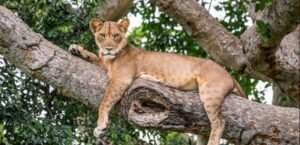
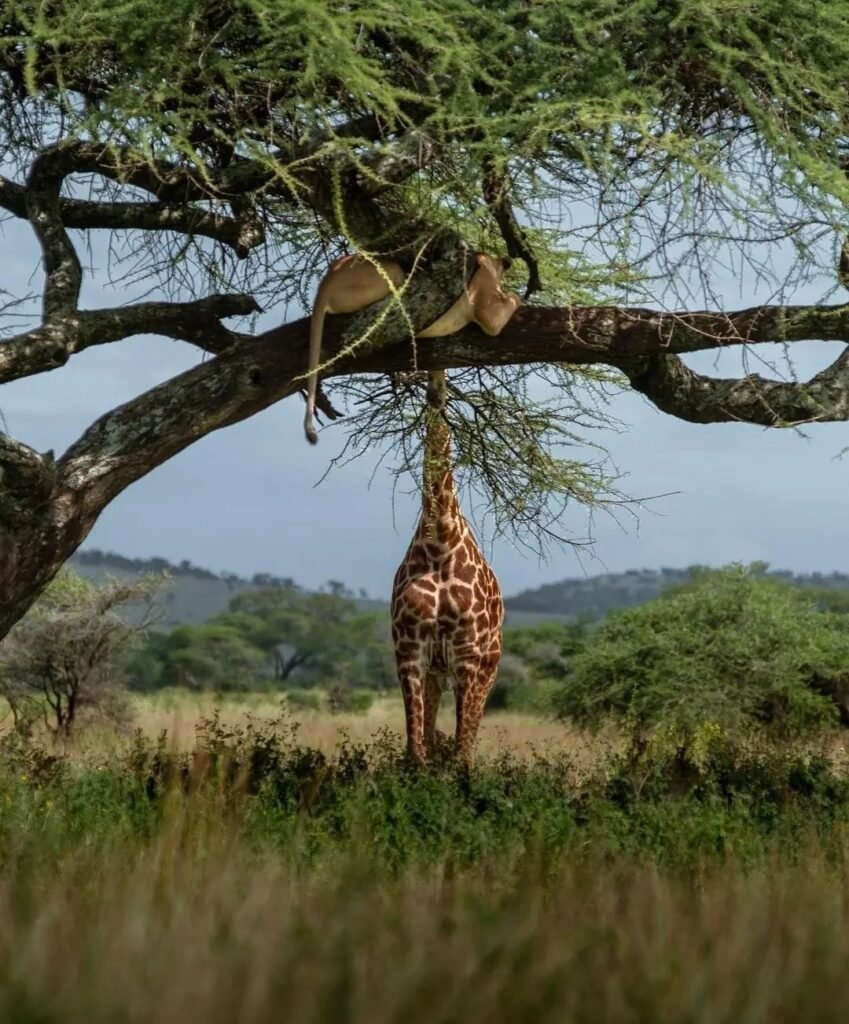
The phrase ‘tree climbing lions’ seems a little bizarre to those who have never seen this unusual behaviour.  Even seasoned animal behaviorists agree that lions are not evolutionarily adapted to scale trees and perch atop branches. In fact, this phenomenon is so rare that there are only two documented populations of tree climbing lions on the planet have been noted.

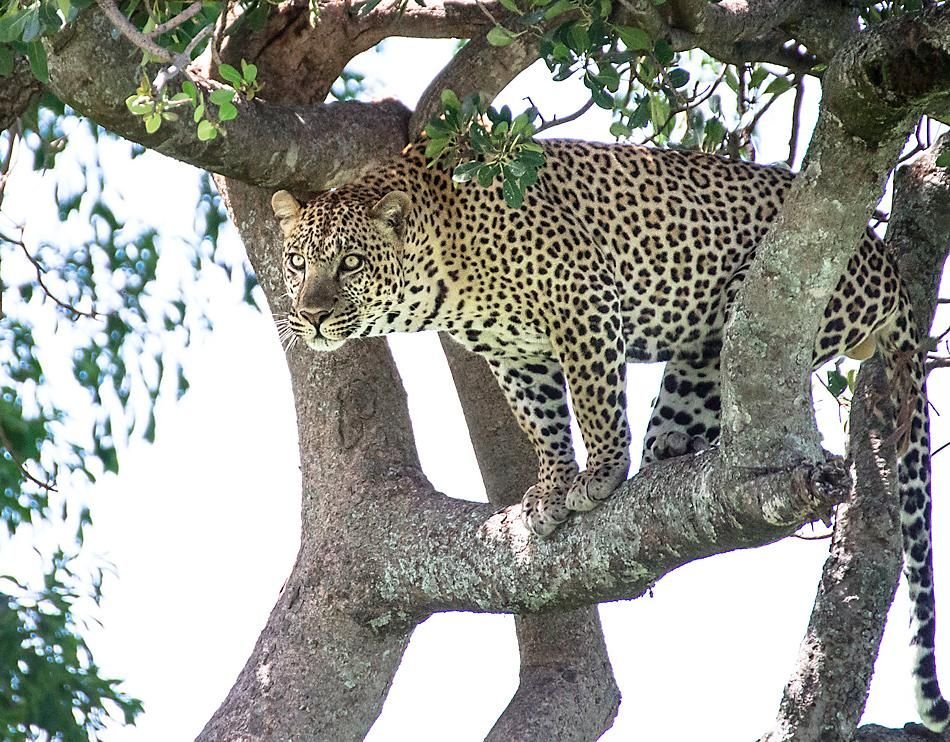
While a leopard sleeping lazily in the treetops is a common sight on safari in the bush, this strange behaviour exhibited by lions has been the subject of interest and wonder.

Where to observe this behaviour

The population of the elusive tree-climbing lions can be spotted around Tarangire National Park and Lake Manyara National Park in Southern Tanzania. Both of this parks are in East Africa, although there have been a few sightings on a South Africa safari of the lions in Kruger National Park exhibiting a similar affinity towards tree.

What the experts say

Lions are believed to climb trees as a behavioural adaptation to protecting themselves from the constant irritation of insect bites while lazing on the ground under trees. Some animal behaviorists claim that these lions have perfected the art of climbing trees as a way of escaping the sweltering heat on ground level. This way, they can enjoy a cool breeze and blissful nap without worrying about the happenings on the ground. Moreover, this position is an excellent vantage point from which to observe the movement of prey as they cross the plains in search of grazing opportunities and water.t to know more about planning your migration safari adventure?

While lions are not physically adapted to climbing trees, these distinct groups have been able to master this skill over time and teach their young to do the same; a great example of learned behaviour as opposed to natural instinct. Lions can weigh between 250 to 400 pounds so it’s no easy feat to lug their bodies up such great heights.

See it for yourself

A visit to Lake Manyara Park in Tanzania or Ishasha In Uganda will not only reward you with the scenic views of the picturesque landscape but also with a chance to stumble upon the population of the exceptional tree-climbing lions. The lions can be seen atop huge fig tree branches as they keenly a herd of peacefully grazing antelopes, gazelles, and impalas. These herbivores form the main prey of these tree-loving lions.

If you’re lucky enough, you may catch the rare spectacle of a lion gingerly and carefully moving around a tree branch before pouncing on the ground. The awkward, almost unnatural hesitance which it exhibits is in sharp contrast to the flawless agility and ease that a leopard’s movements demonstrate.

Whether these lions choose to climb the trees to get a panoramic view of the surrounding escarpments or do so to avoid the irritation from ground level bugs such as the tsetse flies, one thing remains clear. The art of effectively scaling trees – especially for older lions – calls for a measure of effort, constant practice and excellent arboreal mastery. Fortunately, like any skill that is hard to perfect, the more these lions climb the trees, the more adept they become at it.

Swahili Culture, Words – What to know before embarking on Safari

Swahili (Kiswahili) is a Bantu language that’s spoken by the Swahili people across and beyond East Africa, including Tanzania, Kenya, Uganda, Somalia, Rwanda, Burundi, Democratic Republic of Congo, Malawi, Zambia and Mozambique. Strongly influenced by and initially written in Arabic, Swahili is now more commonly written using the Latin alphabet. Visitors to East Africa should master at least a few Swahili words and phrases – and enjoy friendly banter with local people. Of course, Swahili culture has its idiosyncrasies and subtleties, which may embarrass all involved – but expect a high degree of forgiveness if you get some things wrong.

Here then are a few general guidelines to rewarding interactions with the peoples of East Africa:

Greetings are important

In Swahili culture, greeting etiquette is tremendously important, and it’s considered impolite not to greet correctly. How you greet someone in Tanzania has an impact on how they will behave towards you. For instance, if a person doesn’t greet their neighbour, it’s usually assumed that they dislike each other.

Ask questions

Key to a rewarding conversation is to spend some time asking about the other person – such as their health and that of their parents and family, and how business/farming is going. Social relationships are very important in Africa, so it’s important to take the time to understand their situation and wellbeing. You will probably not have too much Swahili in your vocabulary, so this conversation will probably be in English, after the initial Swahili greetings

Physical contact

Handshakes (right hand only) are extremely important and sometimes hands are held much longer than you might be used to – sometimes for the duration of the conversation. Your hands might meet and gently entwine fingers, or perhaps there might be some wrist-holding. There are a few variations, so don’t get hung up about what and how – relax and enjoy the moment. If you’re respectful and friendly, no one will take offence at your awkwardness.

Key Swahili phrases

Learning a few basic Swahili phrases will help you during that initial, sometimes awkward, greeting phase, and earn the respect of your Swahili-speaking friend.


Here are a few of the most useful phrases (the syllables to stress are in bold):

♦ “Hello”: “Hujambo”, often shortened to “jambo”


You can also use “habari” which roughly translated means “What’s the news about….?”. Use any of these, and smile, as you’re going in for the handshake

♦ “Good morning!”:


There’s nothing like a cheerful “habari za asubuhi!” to show friendliness and good wishes. Use “habari za mchana” for “good afternoon.”


♦ “How are you?”: Ask “habari gani?”. But if your friend gets in first with “habari gani?” then answer: “nzuri, ahsante!” (“good, thanks!”).


You can also say, “poa” or “safi!” or, if you’re already on good terms, you can be less formal: “Poa, kichisi kama ndizi kwenye friji” (I am cool like a banana in the fridge”)


♦ “Please”: “Tafadhali”

♦ “Thank you (very much)”: “Ahsante (sana)”

♦ “Goodbye”: “Kwaheri

♦ “Good night”: Usiku mwema” or “habari za jioni

♦ “Enjoy your trip”: “Safari njema“:


“Habari” – the most useful Swahili word


“Habari” is a handy word as you can use it to say “hello” AND to ask what’s the latest news. You’ll impress if you ask “habari za familia?” (“how is your family?”) and follow it up with “habari za kazi?” (“how is work?”). You can also try “habari za kutwa?” (“how was your day?”).

If you invest the time to master the above smattering of Swahili, your social credibility will sky-rocket, and you will enjoy the familiarity and respect that adds layers of enjoyment to your safari.

Safari njema!


Pumbaa meaning – The real story behind the African warthog

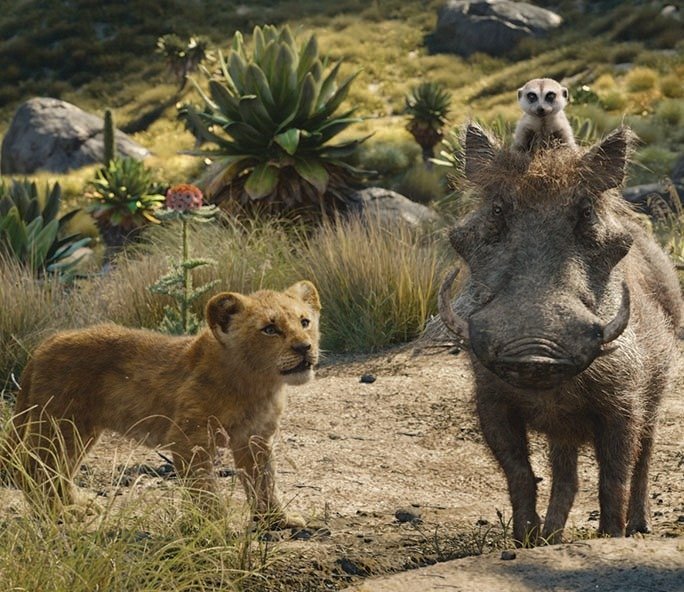
Almost everyone who goes on an African safari shouts out Pumbaa from the vehicle. So, if you were wondering what The Lion King warthog’s name was, you have your answer.

But many people ask the question, “what does Pumbaa mean?” It’s a very interesting name after all. Keep reading to find out the Pumbaa meaning, and why it was chosen for this omnivore in The Lion King.
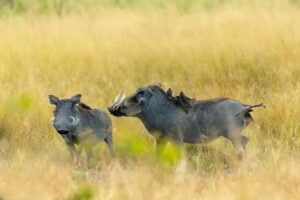
The animated movie was so successful that it transplanted a fictional name onto one of Africa’s oldest species. Even people from South Africa and Tanzania call this tusked pig a Pumbaa!

So, what’s the story? What is the Pumbaa name meaning? And did Disney really change the name of an animal? Because the Pumbaa warthog will forever be etched into the memory of Disney fans.

Most Lion King Names Are Based on Swahili Word

Many of the names and phrases in The Lion King have a direct Swahili translation. It must have been easy for the scriptwriters. Instead of making up names, they could borrow everything from native Swahili.

  • Simbameans lion (quite appropriate).
  • Nala, Simba’s childhood friend and future wife, means gift.
  • Rafikimeans friend.
  • Sarabi, the queen of Pride Land, means mirage, which is very apt given how she fools Scar.
  • Shenzi, the sassy leader of the hyena clan who sounds like Whoopi Goldberg, means savage in Swahili.

After they had exhausted Swahili, the scriptwriters scoured other African languages. Mufasa translates to king in Manazoto.

Visit Africa and the only people saying hakuna matata will be hawkers trying to sell you something, such as a taxi ride, bracelet, or safari.

So, what is the hakuna matata meaning?
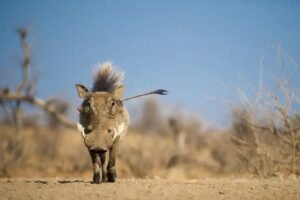
Hakuna matata really does mean “no worries”, but it is a very old Swahili phrase that is no longer used (except with tourists).

The modern equivalent is hakuna shida. If you want to instantly reduce the price of a taxi ride or bracelet, reply to hakuna matata with hakuna shida.

What is Warthog in Swahili?

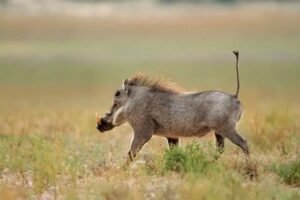
Warthog Pumbaa was such an iconic character in The Lion King, that you could easily assume that Pumbaa means warthog. But that isn’t the case. Pumbaa doesn’t mean warthog at all.

Pumbaa actually has a very complex meaning: “to be absentminded, careless, foolish, ignorant, lazy, stupid and negligent.” That is a lot of adjectives for just one word and character!

The Swahili word for warthog is “ngiri”. However, many Tanzanians and Kenyans traditionally use Pumbaa to describe a warthog. And this has nothing to do with The Lion King.

Warthogs regularly come into contact with villages and people. When this happens, they usually cause havoc, scampering through a garden or village and making a mess of everything.

Shout or chase a warthog and it makes even more of a mess. These animals leave their dirty hoof-prints all over and then run off into the distance. They are foolish, ignorant, negligent and stupid. In one word – Pumbaa!

So, for many Swahili speakers, warthogs have always been called Pumbaa. The Lion King scriptwriters simply borrowed a popular turn of phrase to create the name for one of Disney’s most loved characters.

Fortunately, the scriptwriters took some more advice when they visited Africa.

The Lion King was going to be called The King of the Jungle until Disney actually visited the continent. They found out that lions live in just about every habitat, except the African jungle!

Pumbaa also remains a common word used by gossiping women to describe their husbands. “Pumbaa kazi” is the phrase more commonly used for husbands. It means to take it easy and amuse oneself.

More About the Pumbaa Animal

Warthogs are smarter than they look. For starters, pumbaas are still wild, whereas other pigs have been domesticated and are now bred purely for their meat. And just watch how these warthogs fool a lion pride.

It appears there is no way out as the lionesses have discovered the burrow. Then Pumbaa makes a run for it and gets away!

Warthog wasn’t on the menu for dinner that day, but lions eat a multitude of other animals too, so they likely didn’t go hungry.

Warthogs are the only one of the pig species that have adapted to surviving in the wilderness. They have an omnivorous diet and change their eating habits depending on the season.

Their food includes insectsbarkgrassrootsbulbscarrionberriesfruits, and eggs. Sometimes they visit villages and steal eggs, using their impressive tusks to scare away chickens.

Pumbaas live in groups called sounders. Why sounders? We really don’t know but you can see this article for more interesting and unusual collective nouns for animals.

Most sounders consist of females and their young. Males only join them during the breeding season and the boars will fight aggressively for mating rights.

When pumbaa piglets are born they are weak and vulnerable prey to everything from serval cats to African eagles and lions.

Not many piglets make it to adulthood. However, rather than being negligent and absentminded, warthogs will become foster mothers to other piglets.

They demonstrate allosucking, meaning the piglets suckle from females that are not their mothers.

There is one Pumbaa adjective that is correct. They can be lazy. Rather than digging their own burrows, they will often just use the burrowed home of other animals.

Still, is that being lazy, or being smart and conserving energy?

What Animal is Pumbaa on Safari?

Of course, a Pumbaa is a warthog.

But should you be calling it a Pumbaa on safari?

Probably not.

While Disney did a great job of making The Lion King, it doesn’t pay respect to the way Africa really is.

So maybe we shouldn’t be shouting out Pumbaa on a safari, or listening to what Disney thinks of Africa. They almost named a multibillion-dollar movie on something that is a complete myth!

While The Lion King gives people a small taste of Africa, a safari allows people to experience Africa at its finest.

And let’s be honest, there are some strange animals out there in the wild, but none quite as strange as the way Pumbaa is portrayed in the Disney classic.

Thus, let’s not go around calling warthogs “Pumbaa”, let’s leave that for the locals to do.

Pumbaa – The Warthog from Lion King

Let’s give Pumbaa some slack. Warthogs have terrible eyesight so they can’t really help themselves when making a mess. Plus, IQ tests show that the sus genus that includes all pigs, is smarter than the canidae dog family.

And really, animals that talk! There is a very real Africa out there, and it’s not like The Lion King.

So next time you choose to watch that famous movie, think about going on an African safari as well. Somewhere that you can experience the true sights and sounds of Africa.

COVID-19 Protocols & Entry Requirements in Tanzania

Leaving Home
Your international airline may have pre-boarding testing requirements.
Please study the requirements of your airline and international airport(s) carefully. Most of our guests travel through Amsterdam and currently if you have a transfer in Amsterdam you do not need to show a negative NAAT (PCR) test result or rapid test result on arrival in the Netherlands. A transfer is when you change planes and continue your journey within a few hours, and in any case within 1 day without leaving the airport where you transfer. Please make sure to check the entry requirements of your final destination.


Arriving into Tanzania
Tanzania requires filling out a Traveler’s Health Surveillance Form within 24 hours prior to arrival. Follow this link: https://afyamsafiri.moh.go.tz/. Once completed the traveler will receive a completion notification containing their Unique Health Code (UHC) which they will present upon arriving.


Additionally, all travelers are required to present a negative COVID-19 test certificate upon arrival. The test must be a Real Time Polymerase Chain Reaction (RT-PCR) test, with the sample collected within 72 hours before arrival in Tanzania. Travelers in transit more than 72 hours will be required to be tested by rapid test upon arrival in Tanzania. The rapid test cost is $10 per traveler and can be pre-paid online when you complete your online Traveler’s Health Surveillance Form.


All travelers entering Tanzania may be subject to enhanced screening for COVID-19 and a rapid test. Again, the rapid test cost is $10 per traveler.


Traveling in Tanzania
While traveling in Tanzania, standard Covid-19 protocols (masking, social distancing, and sanitizing) will be adhered to by your guide and those working in the tourism industry, while in public settings, airports/airplanes, and the common areas of accommodations. All full time Access 2 Tanzania safari guides have been vaccinated against Covid-19.


Much of your time on safari will be socially distanced from other travelers and outside. However, if you plan to travel in a more populous area (city or town), we recommend being masked when social distancing cannot be maintained.


Departing Tanzania
Prior to departing Tanzania, Covid-19 testing (PCR and/or Rapid Test) will be required for most travelers. Please study the requirements of your airline and international airport(s) carefully. Covid-19 testing costs (PCR Test $50+facility fees pp / Rapid Test $10 pp) are the responsibility of the traveler. As your tour operator, we will help coordinate proper test timing, location, and test payment.


PCR Test Procedures:
PCR Tests should be administered no more than 3 days prior to your scheduled departure.
Your Final Summary Schedule will indicate the date when your test should administered.
Scheduling – A2T will register you for your PCR test no less than 5 days prior to the test date on https://pimacovid.moh.go.tz/#/booking (for mainland / northern safari circuit locations) or https://zanzibarcovidtesting.co.tz/app/home (for Zanzibar)
Testing sites will vary based on your specific travel itinerary

Testing Fee Payment (Mainland) – Once your appointment has been made, our staff in Arusha will receive your testing payment Control Number (unique number for each traveler). We will make the payment on your behalf and you will reimburse this cost to your guide ($50 per person – cash). Since test requirements are subject to change, reimbursement on site will be the most accurate approach.
Testing Fee Payment (Zanzibar) – Once your appointment has been made we will prepay for the test and then forward your test scheduling confirmation on Zanzibar. The location of the test will be based on where you are staying on the island. There are facilities on the east coast as well as in Stone Town.
Facility Fee Payment – You will be responsible for the facility fee that will be paid on site. This fee will range from $10-20 per person depending on the testing facility.

Testing Procedure (day of) –
Masks are required at the testing sites.
Have your passport available for check in as well as payment confirmation (provided by your guide).

Sample collection will take place in the morning. Test collection hours vary at each site.

Please expect the process to take anywhere from 30 minutes to 1 hour.
Results – Once the testing process is complete and the certificate is ready, a notification with your results and certificate will be sent from the National Public Health Laboratory – Tanzania (covid19certificate@afya.go.tz) to the email address used during registration (usually your safari consultant’s email unless otherwise specified). You may also check https://pimacovid.moh.go.tz/#/booking (for mainland / northern safari circuit locations) or https://zanzibarcovidtesting.co.tz/app/home (for Zanzibar) for updates using your passport number to pull up your results. Please note that once the sample leaves the testing site, the testing site will not receive information about results. Should you have any concerns please ask your guide to contact the Regional Laboratory Technologist at +255 713 819 450 (Warda) or +255 715 361 518 (Nangai).
For travelers departing JRO, a printed copy of your test result will be given to you in Arusha. We will also email you a PDF of the certificate.
For travelers departing DAR or ZNZ,we will email you a PDF of the certificate.


Rapid Test Procedures (updated August 23, 2021)
If you are departing on an airline that requires a Rapid Test prior to boarding you need to arrive at your international airport of departure 5 hours prior to departure.
All international airports (JRO, DAR and ZNZ) have Rapid Test capacity.
Pre-registration is not required
Payment of $10 can be made in cash by depositing into the on-site bank.
Results are provided within 15 to 20 minutes of taking the test.
UPDATE: currently a Rapid Test is NOT required if you are just transiting through Amsterdam (AMS). You still need to be traveling with a valid NEGATIVE PCR test.

Common PCR Testing Sites in the Northern Circuit
Arusha Region
Arusha Lutheran Center Referral Hospital – daily
$25 USD (cash)
You can request to have someone come to you to administer the test (this should be pre-arranged)
Mt. Meru Regional Referral Hospital – 8 am – 3:30 pm daily
FAME Medical Health Center – 8:30 am – 11:30 am daily
$15 USD (cash or credit accepted)
Mara Region
Seronera Airstrip (Musoma Regional Referral Hospital) – 7:00 – 10:00 am daily
20,000 Tshillings (approx $8.60)
Kogatende Airstrip (Musoma Regional Referral Hospital) – 8:00 – 10:00 am daily
20,000 Tshillings (approx $8.60)
Zanzibar
Global Hospital (Stone Town) – 7:30 am – 2:30 pm M-Sat, 8 am – 12 pm Sun
Testing sites on East Coast of Zanzibar – 7:30 am – 2:30 pm M-Sat, 8 am – 12 pm Sun

Top Reasons to Visit and Do Safari in Tanzania

Safari in Tanzania happens almost everywhere you look. It’s been a way of life here for decades. Few destinations in Africa can rival Safari in Tanzania’s sheer diversity of wildlife and landscapes.
 
From the never-ending savannah of the Serengeti to the beaches and coral reefs of tropical Zanzibar, a Safari in Tanzania delivers one fascinating experience after another.


Top Reasons to Visit and Do Safari in Tanzania.


#1 –  The Great Wildebeest Migration is often called ‘The Greatest Show on Earth’ with good reason.

Wildebeests on the plains during the Sunset
 
While on Safari in Tanzania, Wildebeest Migration is something that needs to be seen to be believed.
 
A movement of more than one million animals, this annual procession of wildebeest and zebras from the southern Serengeti into Kenya’s Masai Mara draws visitors from all over the world.


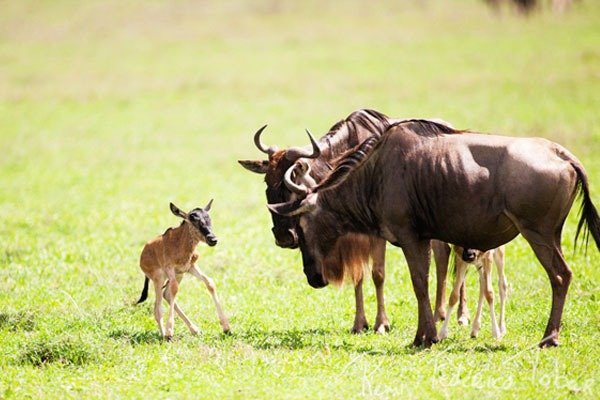
Whether you’re on Safari in Tanzania to see the calving season, the high drama of a river crossing, or the sheer size of the herd as it moves across the plains.
 
Tanzania offers the absolute best opportunity to see this massive movement of animals.


We’re experts on planning Wildebeest Migration safaris in Tanzania.


7 DAYS SAFARI TO SERENGETI NP FOLLOWING THE GREAT MIGRATION

#2 – The Beaches of Zanzibar

 
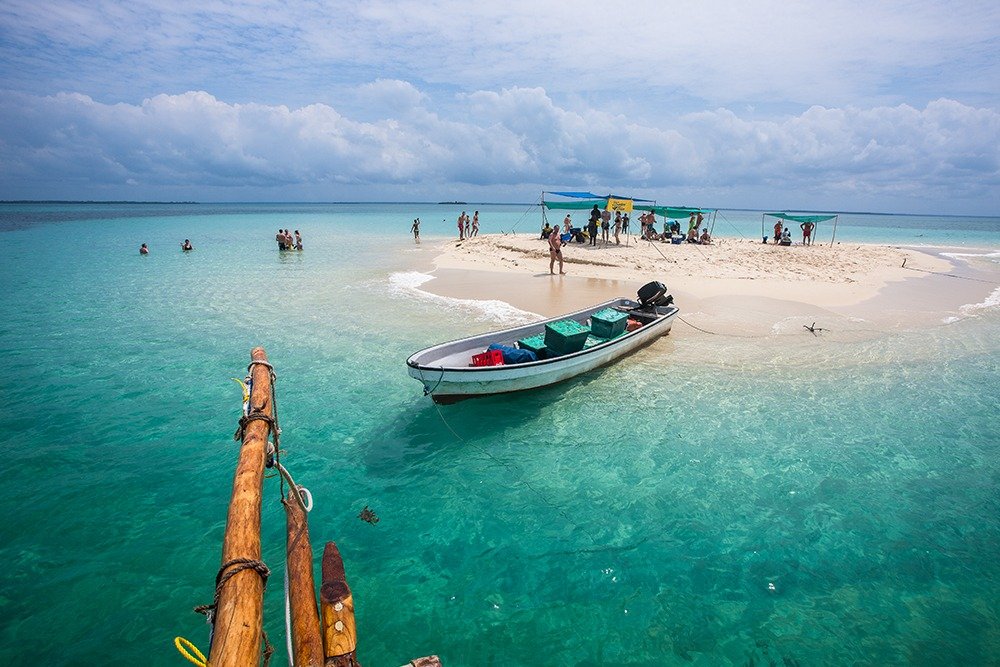
Its very name conjures up images of white sand, crystal clear waters, and a fascinating blend of cultures that can be found in few places on earth.


Zanzibar is just a short flight from Arusha, the nation’s safari hot spot.
 
With resorts ranging from laid back backpacker haunts to world-class luxury escapes, Zanzibar is one of the world’s most accessible slices of paradise.


A Romantic Beach Escape. Zanzibar is perhaps best known for the huge variety of romantic resorts, B&Bs, and lodges that line its many idyllic beaches.


Sima Safari can assist in arranging romantic escapes for all budgets.


Of course, Zanzibar isn’t just for couples! There are plenty of fun resorts for families, solo travelers, and groups of friends too.

 
Zanzibar Tours
It’s not just beaches on Zanzibar.
 
There is a huge variety of Zanzibar tours to explore the island’s history, experience its natural beauty, or duck beneath the waves to see the area’s unique marine life. 


The more popular options include:
Turquoise Safari.
Zanzibar Spice Tour.
Snorkeling 
Prison Island Tour
 
Combining Zanzibar and a Safari
Zanzibar is the perfect starting (or finishing) point for your dream Tanzanian adventure, and we offer a number of itineraries that let you combine the best of both worlds.


Below please see our sample short Tanzania safaris in both lodge & camps.
 
These packages can still be customized in any ways to meet your ideas and budget.


Compare our short Safari Prices Here…


So come and take us on a short safari on an organized trip, experience the nature you have seen so far only on TV screens.
 
The world’s largest wildlife variety, the masses of tribes, are just waiting for you.
 
Traveling with the Tanzanians – the welcoming people This is always a welcome experience. With a smile that doesn’t go down, they are happy to host you in their country with pride.


See also..

One Day Safari to Selous Game Reserve..
Two Days Safari to Selous Game Reserve..
Three days Safari to Selous Game Reserve..
Three Days Safari to Mikumi National Park..

#3 – The Big Five

The lion, leopard, elephant, cape buffalo, and rhinoceros might have been dubbed the ‘Big Five’ for being hard to hunt.
 
However, these days the iconic quintet is more popular with photographers than big game hunters.


Tanzania is one of the best countries on earth to see the Big Five in its entirety.
 
A visit to the Serengeti and Ngorongoro all but guarantees you the chance to see these instantly recognizable animals.


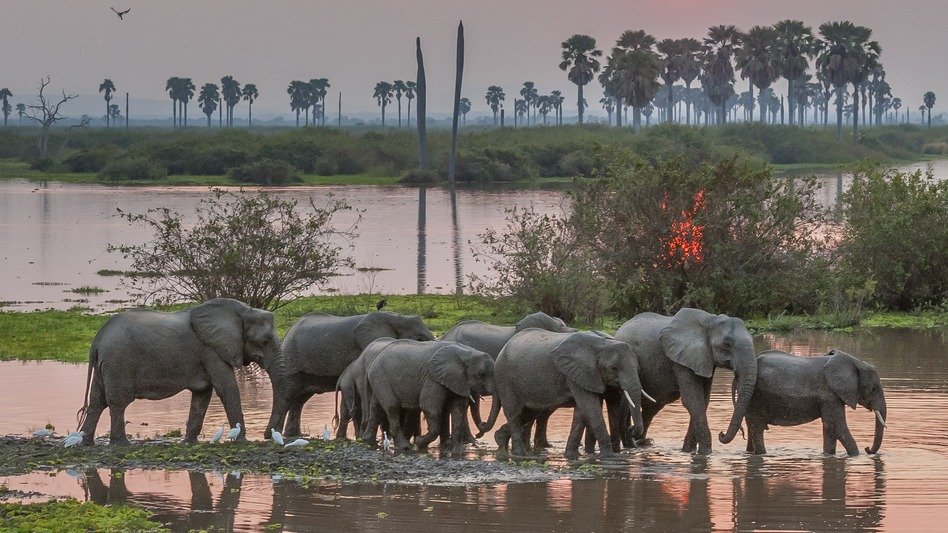
A small breeding herd of elephants moves across a channel leading to the Rufiji River as the sun sets.
 
Two Days Safari to Tarangire and Ngorongoro Crater
Three Days Safari to Ngorongoro Crater, Lake Manyara and Tarangire National Parks
Four Days Safari to Ngorongoro Crater, Serengeti and Tarangire National Parks.


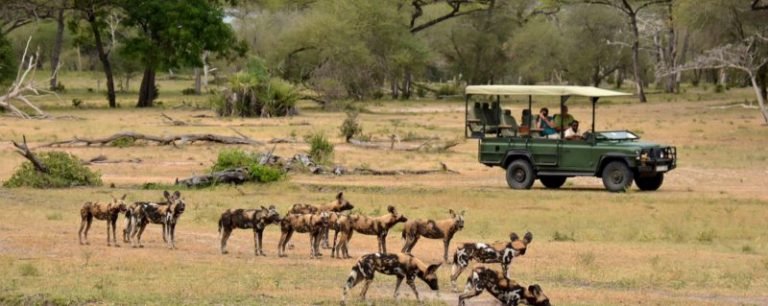
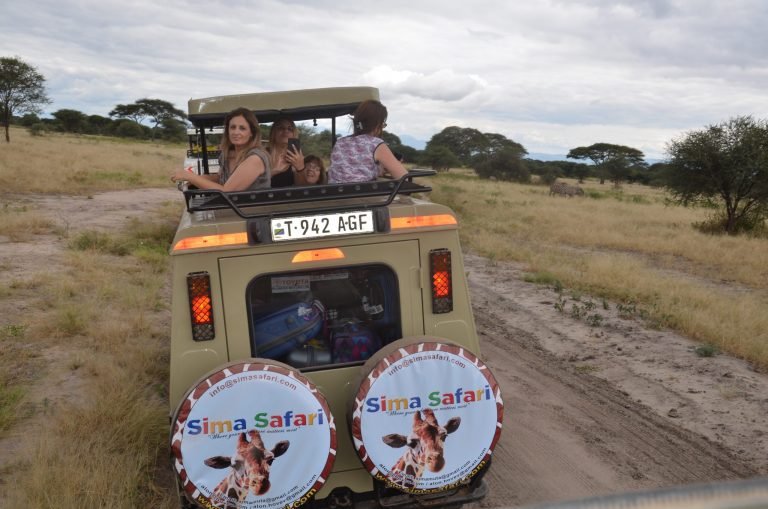
The Safari Car.


#4 – Mt. Kilimanjaro

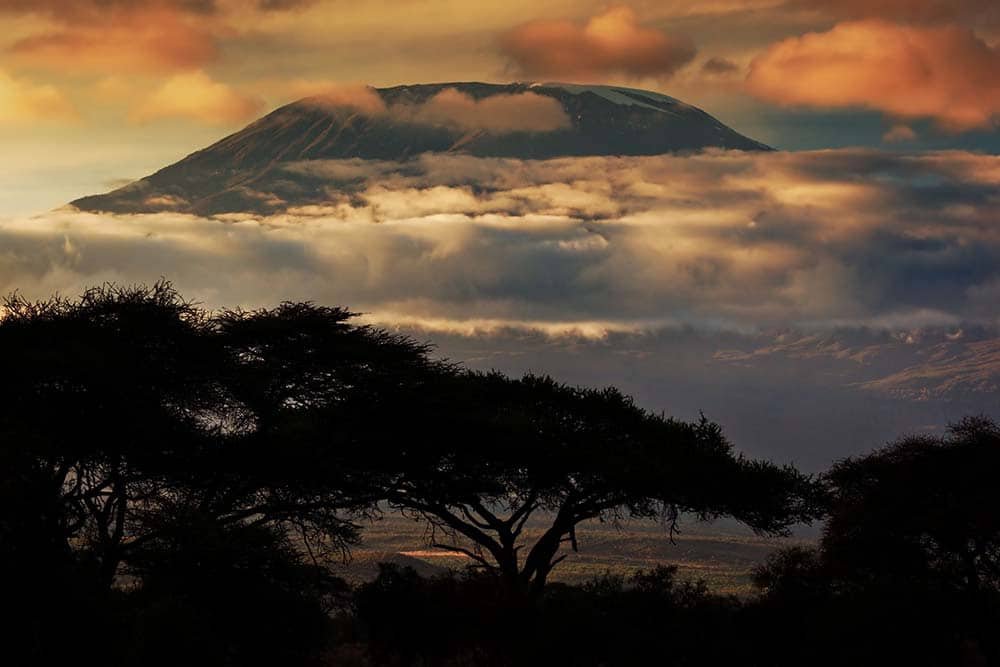
The Roof of Africa stands at the very gateway to Tanzania’s famed Northern Circuit.


Views at the top of Mount Kilimanjaro
Africa’s highest mountain dominates the landscape on a clear day.


Whether you desire to climb the mountain and shout your triumph from its peak or simply to see the great mountain from its base, there are numerous ways to take in the majesty of the mountain affectionately known as ‘Kili’.


Sima Safari offers a number of Kilimanjaro climbing/Trekking options.


6/7 DAYS MACHAME ROUTE – KILIMANJARO MOUNTAIN TREK

#5 – Experience the Ngorongoro Conservation Area and Crater. 

 
The towering walls of this massive volcanic caldera conceal a primal lost world in which many of Africa’s most recognizable animals can be seen in their natural habitat.


The best place in Tanzania to see the endangered black rhinoceros. 
 
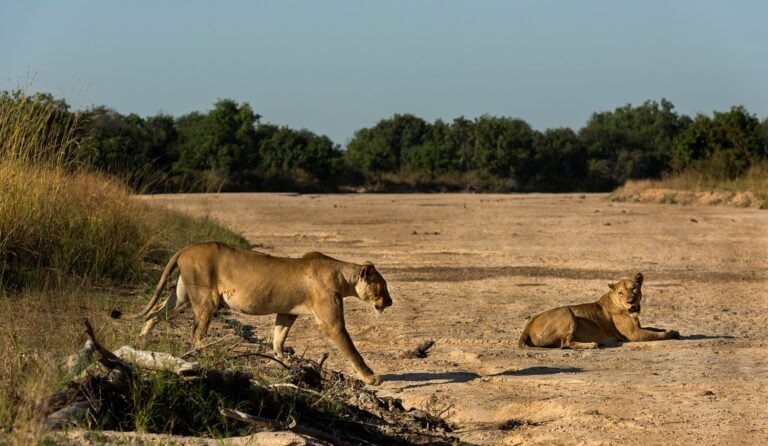
Ngorongoro’s crater floor is alive with animal life including lions, hyenas, flamingos, elephants, buffalo, warthogs, and hippos.


For the more energetic, the opportunity to hike nearby Empaakai Crater gives a more intimate view of the region.


#6 – Maasai Culture

 
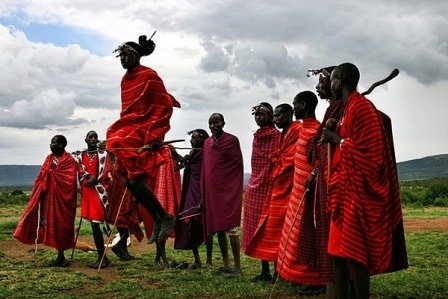
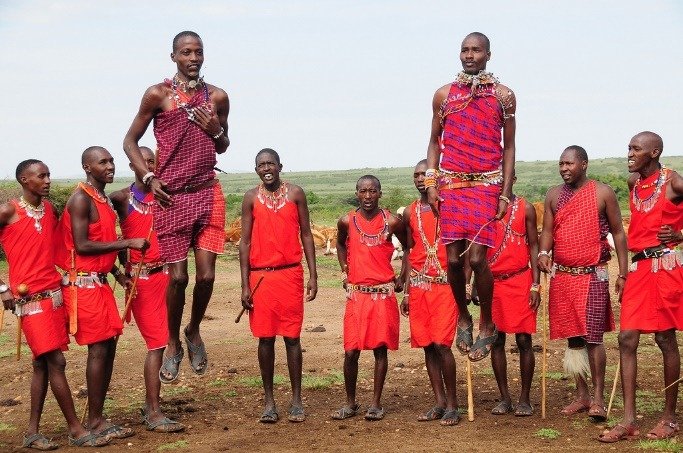
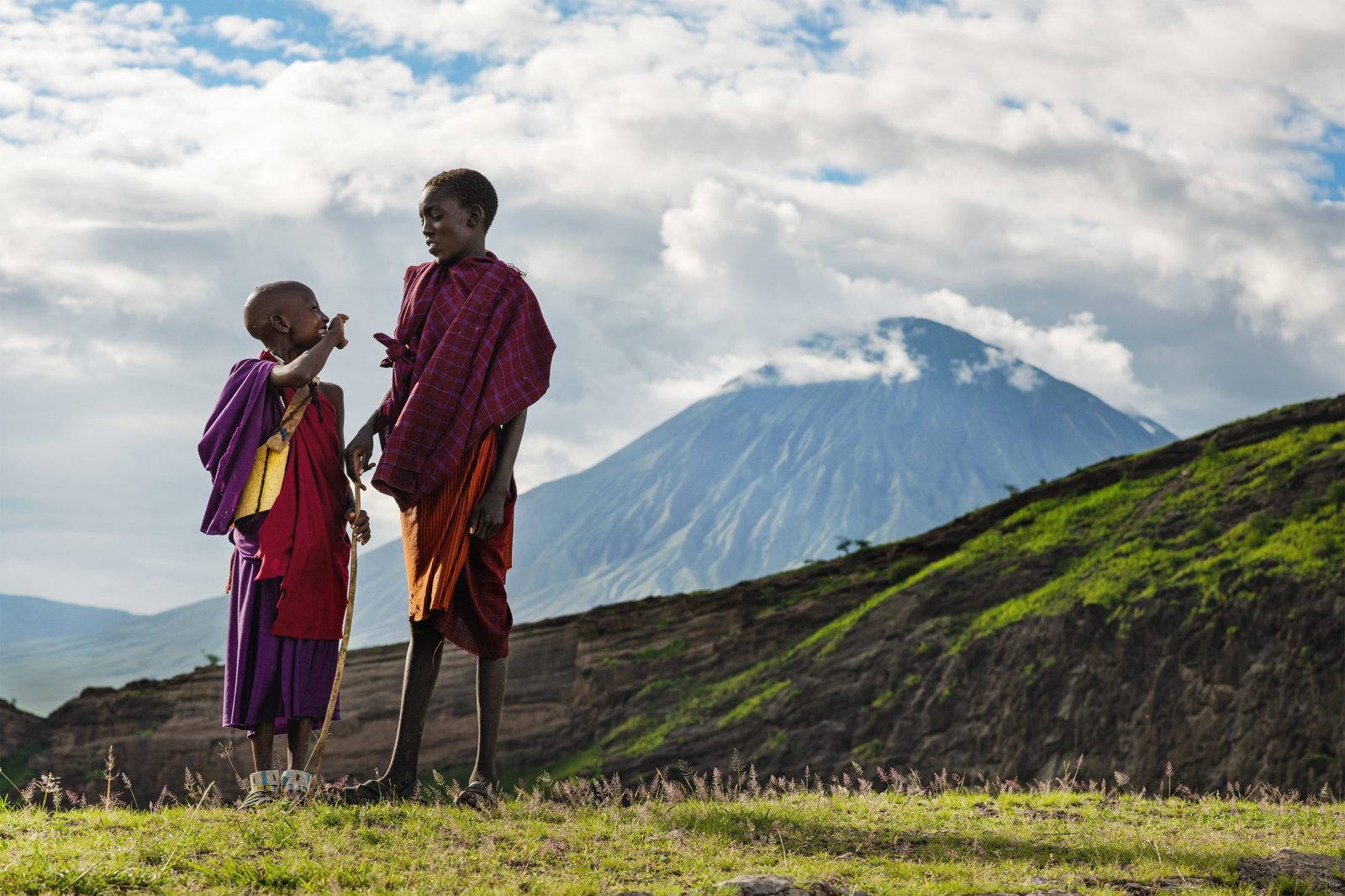
The iconic colorful attire and jumping dance of the Maasai have become synonymous with Africa, and it is in Tanzania and neighboring Kenya that these semi-nomadic people can be interacted with.


Whether you simply snap a photo of a wandering herdsman out on the savannah or spend a night at the Maasai operated Lodge, the chance to interact with these fascinating people is one not to be missed.


If you’re more interested in the cultural element than the wildlife, you can even take a full Tribes of Tanzania safari!
 

#7 – Stone Town

 
The Zanzibar capital is a city steeped in history. A true melting pot of Arabic, European, Asian, and African cultures whose every brick has a story to tell.


Often seen as just a layover on your way from a safari to Zanzibar’s famous beaches, there is more to Stone Town than meets the eye.


Located on the shores of the azure ocean, Stone Town’s labyrinthine alleys, towering spires, and historic sites make it a living museum.


Why not include a Stone Town walking tour or a romantic Stone Town dinner in your itinerary?


For those with a bit more time, there are a number of Zanzibar day trips that can be arranged from Stone Town.


#8 – World Class Hiking Experiences

 
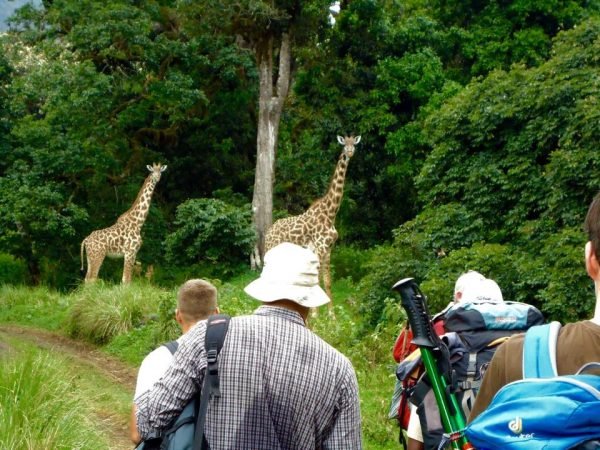
While the majority of national parks of Tanzania do not lend themselves to walking safaris, there are plenty of breath-taking hikes that can be taken by the adventurous.


From the towering heights of Mount Kilimanjaro to the volcanic slopes to Ol Doinyo Lengai to the verdant jungle of Empakai Crater, Tanzania is a hiker’s paradise.


Climbing Mount Meru.
While climbing Mount Kilimanjaro is the ultimate goal for many aspiring hikers, there are some less challenging hikes you can use to get in shape for the big event.


Climbing Mount Meru
is a shorter, less
daunting hike that many use to acclimatize for Kili.


Achievable in just three or four days, a Mount Meru summit can be added on at the start or finish of your safari adventure.


4 DAYS CLIMBING TO THE SUMMIT OF MOUNT MERU IN TANZANIA

Empaakai Crater.
For those who don’t necessarily want to scale a mountain, a day trip to Empaakai in the Ngorongoro Highlands can be a great way to trade the safari vehicle for some fresh air.


Guided by a local Maasai, you’ll venture down to the crater floor, wander the shores of Lake Empaakai, and then return to the crater rim for a stunning view of the surrounding landscapes.


While you’re not likely to encounter rhinos and lions during your hike, you can expect to see buffalo, bushbucks, monkeys, and a variety of bird life.


ol doinyo lengai hiking An active volcano with amazing views of Lake Natron, Ol Doinyo is a popular but challenging hike.


Ol Doinyo Lengai – Climbing a Volcano
Few people can say they have climbed an active volcano, but that’s entirely possible while paying a visit to Tanzania.


Looming ominously over Lake Natron, Ol Doinyo Lengai is a challenging hike that must be completed at night to combat the fierce heat that rises from the volcano.


Arusha National Park Walking Safaris.
You don’t need to be a hardened adventurer to hike in Tanzania, and Arusha National Park’s lack of dangerous wildlife makes it a great place for young and old alike to get out and go hiking.


Arusha National Park
You can even combine your hike with either a game drive or a canoe safari!


Want to make your Tanzania dream a reality?
 
Contact us now to get a free quote!

The Best Attractions and Places to Go For Wildlife Safari in Africa

“African safari is an expedition or a trip, usually by tourists, to observe animals in their natural habitat.”
 
An African safari holiday features on most travel bucket lists.
 
It abounds with incredible sights, from soaring sand dunes to savannas teeming with wildlife.
Experience the continent’s many wonders with our experts on trips to Tanzania, Kenya, Uganda, Namibia, Zambia, Zimbabwe, South Africa, Botswana, Rwanda, Morocco, and more.
 
Witness the annual wildebeest migration on safari in the Serengeti. Or explore the sun-washed cities of Morocco through your camera lens. 


With so many incredible wildlife destinations to choose from, how do you know where to go for the best safari in Africa? 


Your choice depends on what you’re looking for:
a particular species you want to see in the wild, the type of safari holiday you’re interested in.  (walking, game drives, camping, luxury) and who you’re travelling with, especially if you’re planning on doing a safari with kids or require an accessible safari holiday.


Types of Safaris
There are different forms of African safaris. The most notable ones are walking safari, hiking, or the most popular, game-drives.


Walking Safari.
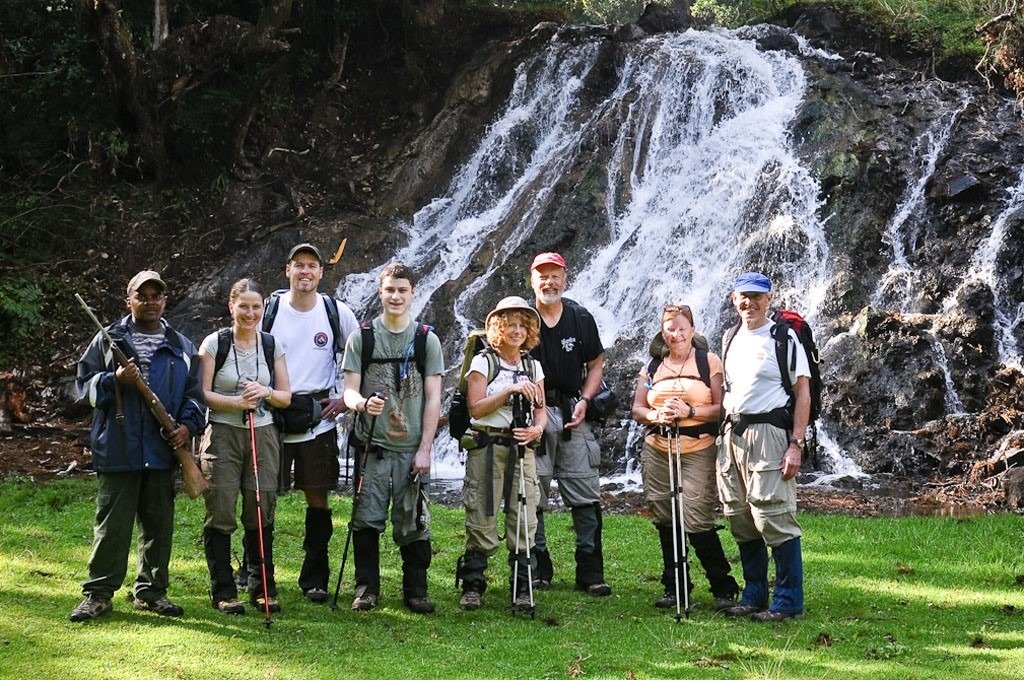
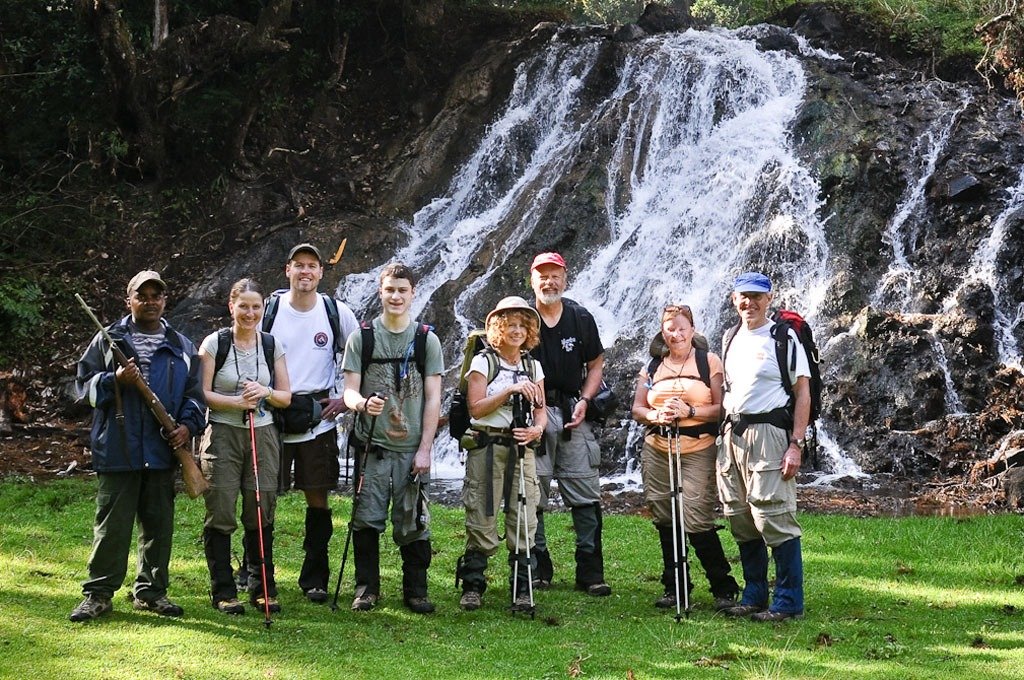
A walking safari involves you, your fellow travelers and a qualified guide along with an armed game scout that will take you to the best spots in the park to see wildlife or picturesque views. Like any other type of safari, walking safaris may either be a private tour or a group wherein you join other travelers.
 
Hiking Safari.
Hiking safari, on the other hand, is when you go on a trekking expedition to experience the mountains like Mount Kilimanjaro, Mount Kenya, and the Drakensburg mountains. Usually, people combine these safaris with game-drives.


Game-Drive Safari.
Game-drives are a staple safari activity. You explore parks and game reserves by riding a vehicle with a pop-up roof. A tour guide/driver will come with you to drive for several hours in search of wildlife. You will drive from between 5-6 hrs. a day and whenever your guide sees a Lion, elephant, or any wildlife, you will stop to see them and/or take photos from inside your vehicle (through the pop-up roof)
 
Unlike in a zoo, there’s no set place to see the animals. Nobody knows where they will be hanging out at any time of the day, but your professional guide who’ve had years of training and experience spotting wildlife would know where they “might” be. This is why it’s important to have a good tour guide or else you will miss seeing the animals
 

The Backpacking Guide to Tanzania

Backpacking Items
 
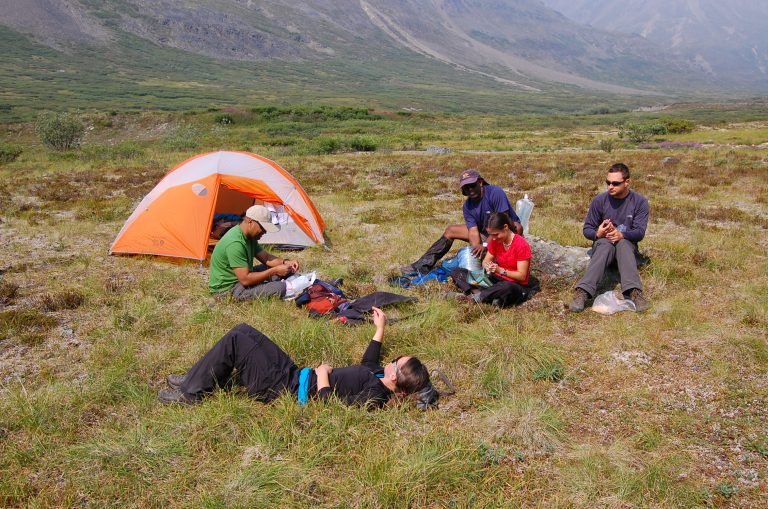
Backpacking is the outdoor recreation of carrying gear on one’s back, while hiking for more than a day. It is often but not always an extended journey, and may or may not involve camping outdoors.
 
The exact items you take can be tailored to your trip based on considerations such as weather, difficulty, duration and distance from help. To learn more, see our article on the Ten Essentials.
 
Things to consider as you plan a backpacking trip:
Route
Choose a location by deciding how far you can travel, how long you want to be gone, what you want to see, and how the weather looks seasonally. Interested in an alpine lake? A mountain summit? A canyon gully? Plan your route with maps, guide or reference books, and decide if the trail distance, elevation, and overall conditions suit your ability and fitness level.
Keep in mind, when you get down to essentials, backpacking is hiking with everything you need to stay one night (or more) on your back. You likely know what your experience level is like for hiking if you’re considering a backpacking trip. Give yourself lots of grace when you’re planning so that you’ll get to where you need to rest your head before dark.
 
What to Bring Backpacking
These items should be part of your backpacking checklist:
Navigation
Headlamp
Sun protection
First aid
Knife
Shelter / Sleeping bag and sleeping pad
Hiking boots or shoes
Tent
Stove and fuel / Kitchen supplies
Water bottles and water-treatment supplies
Weather-appropriate clothing
Emergency and hygiene supplies
Small repair kit
 
We definitely encourage your heading to your local outfitter for their recommendations as well: they can help you find the right fitting backpack and boots—two items that can make a world of difference when it comes to comfort on the trail.
 
Leave No Trace
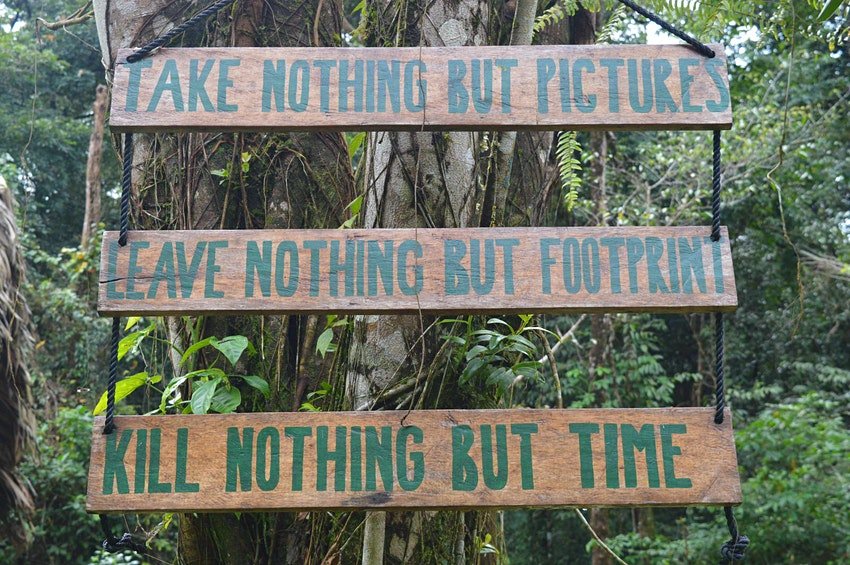
How far from water should the tent be? Where should you pee? What will you do with soapy water, toothpaste spit, or toilet paper? The principles of Leave No Trace (LNT) can help answer these questions. Learn how to dispose of waste properly, respect wildlife, and be considerate of other visitors (among other things) before you hit the trail.
 
Safety
Being safe while backpacking includes items to pack, in addition to situational awareness and preparation. Know your route and ask yourself questions like: What conditions can you expect? Will you have the proper footwear for the terrain? And clothes for the weather? What would you do if you encounter wildlife? Are sudden storms common to the location?
Along with the essentials for navigation, illumination, and proper layers to wear, bring along your wilderness first aid kit and know how to use it. Other safety items include a multi-tool, knife, whistle, as well as bear spray and proper food storage containers if you’ll be in bear country.

 
Finding a Group
Solo outdoor experiences can be incredible, but if you’d rather venture out with company, there are a myriad of ways to find adventure friends—including formal groups and organizations that host backpacking trips and other excursions.
If you’re especially new to the outdoors, a wilderness class is a great investment. This is another opportunity to drop into your local outfitter to inquire about programming to give you an extra boost of confidence outside.
 

Vacation in Zanzibar

Vacation in Zanzibar, Known as the Spice Island, (Swahili Unguja), a beautiful island on Africa’s east coast is bursting with culture and history, seemingly at odds with its idyllic geography of white-sand beaches with palms swaying lazily in the sea breeze. Together this makes Zanzibar a fabulous place to explore as well as a dream to relax and unwind.

Zanzibar, also known as Magical Spice Island with stunning beaches, which forms part of the United Republic of Tanzania, which is located in East Africa is always unforgettable. In fact, Zanzibar is the name of a group of small islands and two large islands: Zanzibar and Pemba, located 35 km off the coast of Africa. We warmly invite you to explore this island and discover your ideal travel experience while on trip to Zanzibar and its beaches.
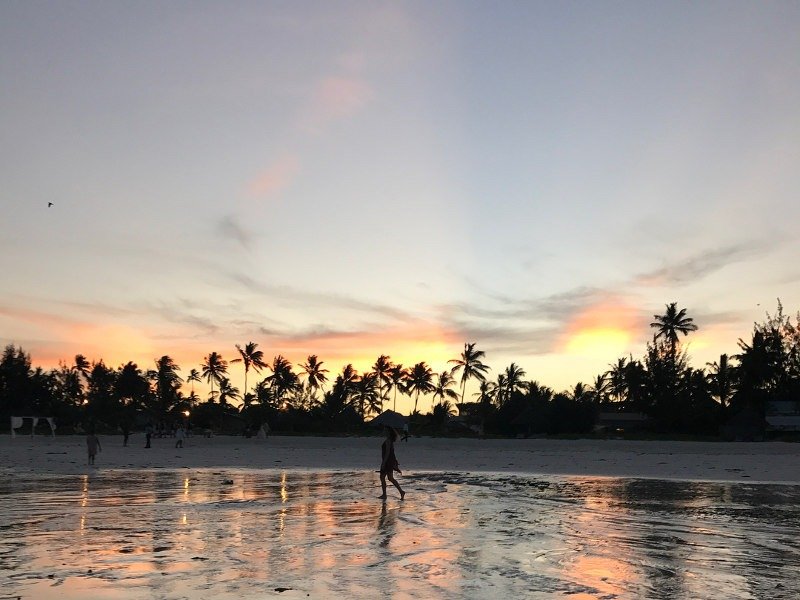
The island’s charm is marred by the virgin white beaches adorned with a blue-turquoise sea; In the white-washed crooked alleys of the Old City; In the night markets and the fresh food that was planted straight from the sea.
Zanzibar has a wide range of hotels. From magical and secluded suites on private beaches to family hotels with pool, private beaches and all the other treats you can only dream of.
 
Staying in Zanzibar is a unique and fascinating experience as a result of this combination of virginity and authenticity with advanced tourist services.

While on Vacation in Zanzibar, we can offer many options of doing short safari from Zanzibar to Tanzania mainland.

A vacation in Zanzibar is the perfect opportunity to escape the crowds and hustle and bustle of the city’s fast pace of life, catching peace as there is only on the African continent. Stroll barefoot on the beach and devote yourself to the good sun, snorkel in a beautiful riff or simply lay out a towel on the sand and enjoy the perfect peace. The depth of Zanzibar’s experience lies in the small details, the personal sewing, the secrets that those who know found a home in paradise.

The island and its beaches has been fascinating for travelers from around the world for centuries. They came here to trade ivory and spices, to buy slaves, and sometimes to conquer and settle down. 

Today, tourists from around the world discover the virgin charm of the tropical island. International-class hotels allow the first-class tourist a treat and comfort, fine western cuisine, water sports clubs and fascinating rainforest tours, spice farms and more.


Zanzibar Beaches.

 
While on Vacation in Zanzibar, don’t miss to spend time on this amazing beaches;

Nungwi Beach.
This beach, in the northern point of Zanzibar, has a particularity: it’s barely the only coast on the island that is not affected by the tides. A beach for the swimmers, and for whom the sand is just the place where you can rest a few minutes before jumping again in the water.
 
It also has the most “party” ambience you’ll find in Zanzibar, so if night fun is what you seek, Nungwi is the beach you must visit during the daylight.
Nungwi beach is located on the west coast of Zanzibar.
 
 
The beach made the list in the top 25 beaches in the world in TripAdvisor’s travelers choice award.
 
Nungwi beach is always vibrant. The coast is blessed with coral reefs ideal for diving, snorkeling, and swimming. You may be lucky to spot dolphins, shark and green turtles at a certain time of the year. Nungwi beach has numerous resorts, bars, and restaurants with a variety of nightlife entertainment. You can also go for a sunset cruise on a traditional dhow sailing boat.
 
Because of its lively ambiance, Nungwi Beach may be a great destination for solo travelers as you’ll get to soak up the vibe of the island and even meet new people along the way.
 
Kendwa Beach.
Kendwa beach is one of the most popular beaches in Zanzibar. Located just a few miles before Nungwi village, the beach is slightly laid back compared to Nungwi beach. This top island beach does not have to deal with as much high and low tides, so the clear waters make it perfect for snorkeling, diving, and swimming without having to chase the ocean a mile away. 
 
There are lots of fun activities to engage in like volleyball on the sandy beach, beach soccer, and so on.
Kendwa beach is also famous for its active nightlife and party atmosphere. The sunset accompanies loud beach parties. There are restaurants and bars dishing out mouth-watering cuisines and beverages. Aquatic creatures like the colorful starfish also take refuge on the beach just offshore.
 
Matemwe beach.
Matemwe beach can be found slightly to the east of Nungwi and Kendwa. As such, contrary to the more northern beaches, it can be tidal here.
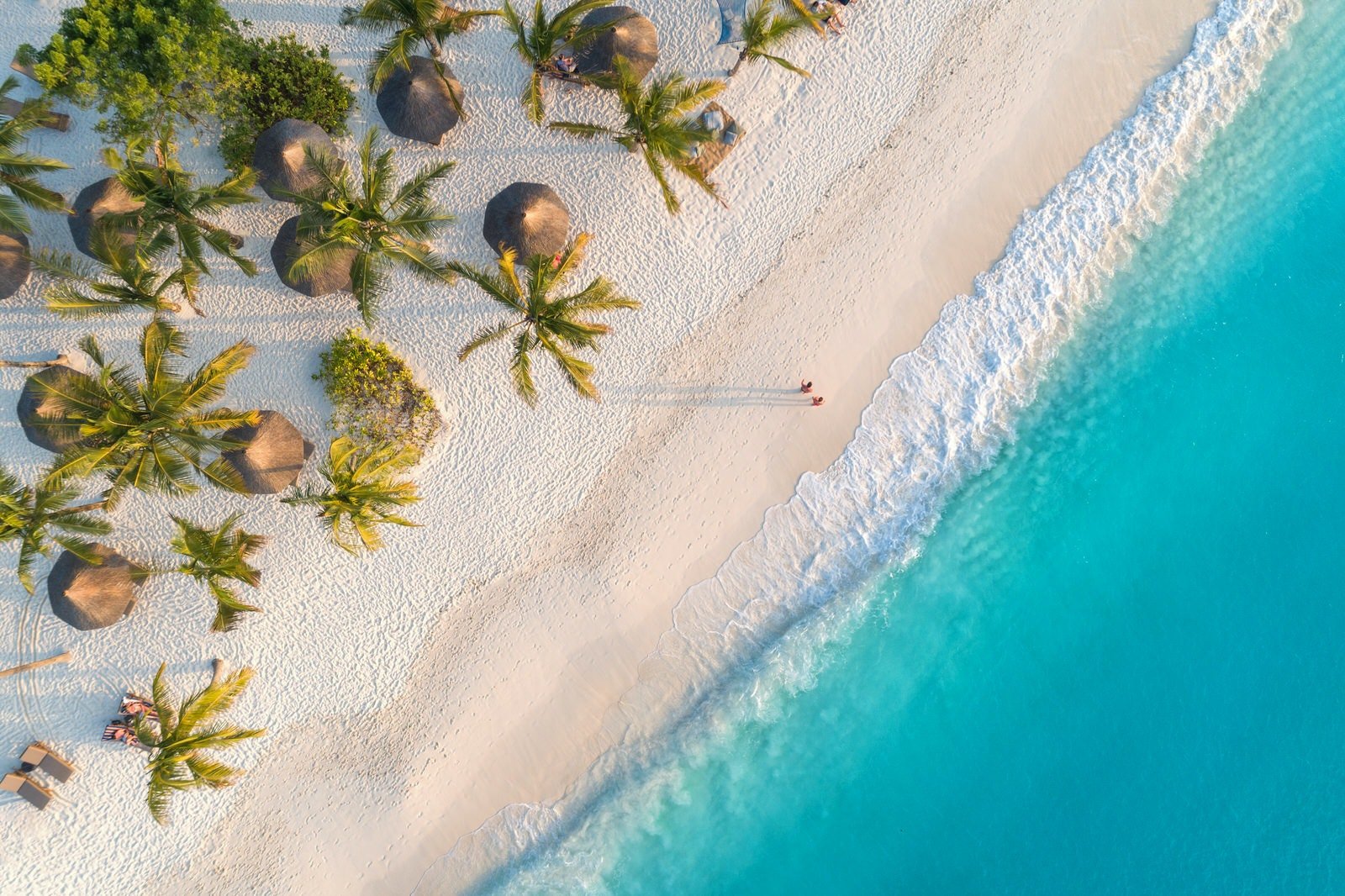
Total calm. The whitest sands in Zanzibar. An incredible, photographic sunrise. And a coral reef protecting the whole beach that makes it perfect both for swimming and snorkeling. Are these features enough for you to fall in love with this beach? In Matemwe you will discover hundreds of different, colourful starfishes, and many other marine creatures. But watch out with sea urchins!
 The area has been relatively untouched by tourism until recent years, and it can now get a bit busy. However, when the tide is in some beach lodges offer a pocket of Indian Ocean paradise for an unbelievable price.
 
Kiwengwa beach.
Kiwengwa is a great beach for families with kids. Across the beach, there are major hotel establishments with standard swimming pools and facilities.
There are also provisions for budget options – smaller lodges as well as Airbnb houses for rent. Swimming at Kiwengwa beach is not always possible, especially at low tide, so in some cases, it’s better to stick to the swimming pool facilities in your accommodation.
 
Pongwe beach.
Pongwe has one of the only east coast beaches which isn’t tidal as it sits neatly in a concave break in the coastline.
As such, if you like long beach walks, it is maybe not for you as you don’t get a sweeping beach picture, but it does give you a certain little slice of luxury in as much privacy as you can get on the island. If you don’t have a huge budget, then Pongwe is hands down the best place to stay in Zanzibar.
 
Paje beach.
The smooth white sand, the fine and clear waters, the shallows, and the winds that make Paje Beach a perfect place to practise Kite-Surfing.
 
Situated on the mid-east coast of the island, Paje and Dongwe’s beaches are long and sweeping giving that classic Indian Ocean feel, but again, it can be tidal. You get some super luxury and intimate options though, and as such, some of our absolute favourites are in this area for a very spoiling Indian Ocean paradise.
 
Jambiani beach.
Jiambani is a great place to visit for the best kite surfing on the island as there are consistently good winds. 

This fantastic beach is really affected by the tides, so with low tide, you’ll have miles of sand to play and shallow waters to explore, and with a high tide, you can swim in the warmest waters on Earth.
Bars and restaurants surround the area, so you can spend the whole day in Jambiani enjoying the tides coming and going.
 

What to Eat while on Vacation in Zanzibar.

Sea Food display in Forodhani gardens
 
Chips mayai
Who knew a French fry omelette could taste so good? There’s nothing much to this comfort food dish, but it goes down a treat with condiments such as kachumbari (tomato and onion salad), chilli sauce, mayo and/or good old tomato sauce.

 
Mandazi
Mandazi, samosas and more.
These triangular ‘Swahili doughnuts’ are essentially deep-friend balls of dough, lightly sweetened and occasionally seasoned with a hint of cardamom. Yum.
 
Urojo soup
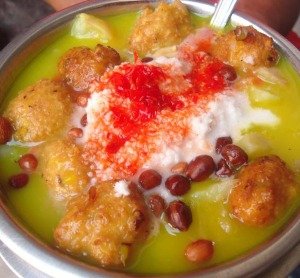
Also known as Zanzibar mix, this mash-up of a dish typically comprises a bowl of tangy, flour-based soup full of crispy bhajias (a fried, pakora-like snack), fried mashed potatoes and topped with a spoonful of coconut chutney, a dash of chilli, and a scoop of cassava shavings. It’s not particularly healthy, but it’s a great filler.

 
Octopus everything
BBQ octopusBBQ octopus for the win at Chumbe Island.
Zanzibar is renowned for octopus, which are caught by skilled ‘octopus hunters’ who can often be spotted wading out across the coastal flats armed with spears to catch the tasty invertebrates that thrive in the seagrass and coral beyond the beaches. Among the most popular ways to eat octopus include mishkaki skewers, octopus curry (cooked with a blend of rich spices like turmeric and simmered in coconut cream), and straight off the grill.

 
Mishkaki
Skewers on a grillMishkaki skewers sizzle on a Stone Town street.
Marinated in a blend of spices and sauce, then grilled to charred perfection, mishkaki (meat skewers) are an ubiquitous Zanzibarian snack food, often seen grilling in alleyways of an afternoon. Buy them straight off the grill to ensure they’re fresh.

 
Biryani and pilau
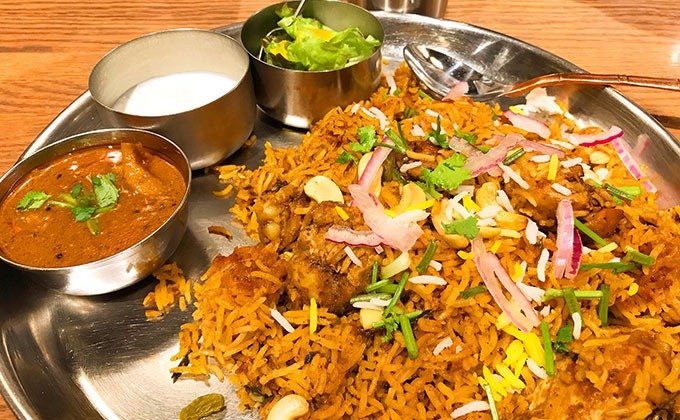
Thought to have originated in the Indian Subcontinent, biryani and pilau (also known as pilaf and plov) are rice dishes cooked with a mixture of spices such as nutmeg, cloves, pepper, cardamom, cinnamon, garlic, ginger and coriander.
Pilau
Biryani
The key difference between the two is that biryani is cooked separately to the meat dishes that typically accompany it. Pilau, on the other hand, is cooked in the same pot as the meat (or meat broth), allowing the rice to absorb the juices. Both are delicious.
 
Zanzibar pizza


More like a galette (savoury crepe) than a pizza, a Zanzibar pizza begins as a small ball of dough that is thinned out then piled with your choice of ingredients (such as chicken or beef) followed by onion, capsicum, an egg, a triangle of Happy Cow cheese, a dollop of mayonnaise, and chilli sauce (if you like it hot). 

The corners are then folded in to make a square, and the whole thing goes in the frypan. When the base is crispy, it’s flipped, then sliced into bite-sized squares, scooped onto a plate and served with a toothpick ‘fork’. 

 
Coffee
People sitting outside a cafeStop by Jaws Corner for an Arabic coffee.

For what Muslim-majority Zanzibar lacks in bars (don’t fret – there are still a few) it makes up for in coffee shops. Perhaps the most famous (of sorts) is Jaws Corner, an intersection of alleys named for its shark mural. 

Locals come here to gossip over small and inexpensive cups of black, cardamom-spiced Arabic coffee served from a mobile coffee-seller, making it a great spot to people-watch as you enjoy your own cup.
 

Night Life on Vacation in Zanzibar.

Nightlife in Zanzibar can be as enticing as the cultures of the world coming together to dance, or as relaxed as watching the sun set over the ocean through rose-tinted sunglasses. It is what you make of it and this island destination caters to all.

 
Zanzibar is known for many extraordinary things and is a traveller’s dream beach location. The Zanzibar nightlife options are fun and unique, and you could easily spend your evening at a laid-back beach bar in Kendwa or an up-market nightclub in Stone Town – the choices are at your fingertips!

Nightlife locations in Zanzibar

 
City centre – Stone Town, Zanzibar City
As Stone Town is where you’ll find the urban buzz of the island, it is here that you’ll have the most options within an enclosed area. 
Beachside bars and lounges – Kendwa, Paje, Jambiani, Nungwi
For more of a beach party scene, you would be right to assume that the best parties are held on the famous beaches of Zanzibar themselves! 

Restaurants and Bars in Zanzibar.


Types of establishments
Restaurants
Taarab restaurant,
Bahari Pizza Restaurant, Jambiani
Kambakocho Bar and Beach Restaurant, Palumbo Reef Resort

Sunset spots
6 Degrees South, Stone Town
Africa House Hotel, Stone Town
Gerry’s Bar and Restaurant, Nungwi Beach

 
Cocktail beach bars
Kendwa Rocks Beach Resort, Kendwa
The Rock, Pingwe
Paje by Night, Paje

Nightclubs
Garage Club, Stone Town
Red Monkey Lodge, Jambiani
Coccobello, Nungwi

Festivals in Zanzibar.

Zanzibar Nightlife Events and Festivals
Monthly – Full Moon Party – Kendwa Rocks.
Full Moon party in Kendwa
 
Annually – Sauti za Busara – February at the Old Fort, Stone Town
Zanzibar International Film Festival – July, Stone Town
Jahazi Literary & Jazz festival – end of August/beginning of July, Stone Town
Spend your weekend days listening to well-known poets and book authors, and engaging in workshops during the festival. After, get ready to samba as you spend your evenings dancing away to jazz music during this Zanzibar nightlife annual event.


Travelling Around Zanzibar.

Getting to and from Zanzibar
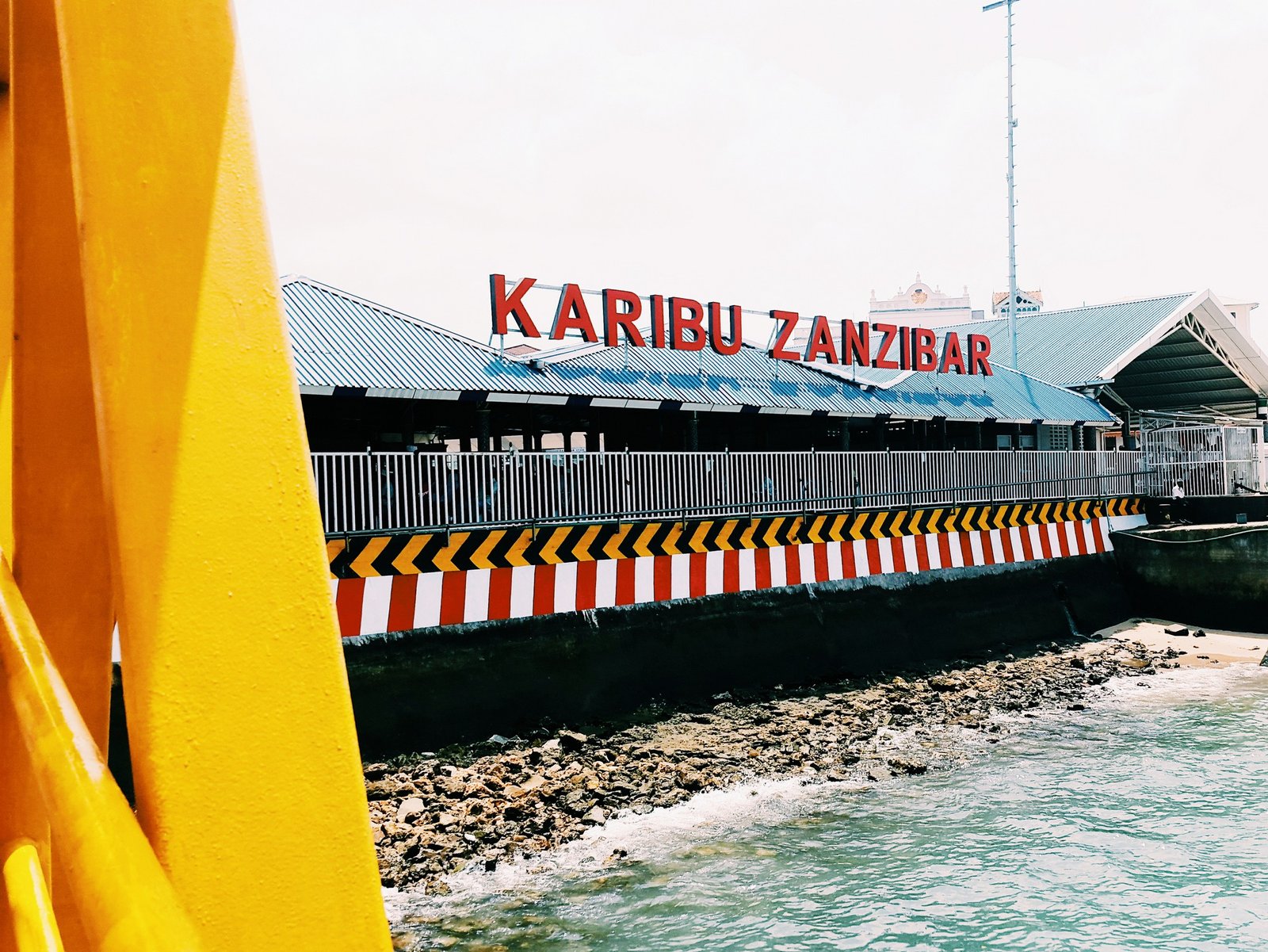
There are two main entry points to Zanzibar: the airport and the seaport. Both of them will give you a bit of a chaotic arrival, so it’s useful to choose beforehand how you plan to continue to your destination.
Seaport: This is right in Stone Town, so it’s easy to walk anywhere within the old city. However, there is no public transportation in Stone Town, so the only option to reach the beach is to either take a taxi or walk about one kilometre to reach the local buses, called dala dalas.

 
Airport: There are plenty of taxis and the local buses also pass by the airport (outside the gates). But the buses are only city buses, so they’re sadly no help for getting to further destinations. If you’re going further than Zanzibar city, you’ll need to change at the bus station

 
Taxis from town (including the seaport and airport) should be about USD 30 to 60 for going to beach destinations like Nungwi, Matemwe or Paje. From the airport to Stone Town, expect to pay about USD 10.

Getting around Zanzibar
There are two options: the local dala dalas and taxis. There are also shared buses that leave from Stone Town to the beaches, which you can usually get for USD 10 per person.

Public transportation/dala dalas: Public transportation is extremely affordable, costing under USD 4, depending on your destination. They are also quite slow as they stop a lot on the way, and there usually seems to be no limit to how many people can fit on one bus! Be warned that it’ll probably take some effort to figure out which dala dala to use, though the conductors are very helpful.
Dala dala
 
Taxis: There are lots of taxis in Stone Town, but from the beach they can be harder to find. It’s always good to ask your hotel for a taxi or find a reliable company to offer you transfers. Taking a taxi in Zanzibar is generally safe, but note they’re often not punctual and tend to charge as they wish.
Taxi in Zanzibar
 
Shuttle Bus / Shared Taxi: Shared taxis operate on Zanzibar and by sharing the car with up to five others, it is possible to travel around the island for only $10 per person.
The shared taxis are a door-to-door service, meaning you will be collected from your current accommodation and dropped directly at your destination of choice. Essentially, it is the same as a regular taxi, just the journeys take slightly longer (because of picking up other guests). 
 
Walking: Walking is the most efficient way to get around if you are staying in Stone Town! The town is small and safe to walk, as long as you keep an eye out for the fast-moving vespas. When you wander a bit further from the more popular, touristy areas, you will find walking very pleasant, too.
There are many police checks on the roads. Make sure you have your driving licence, the temporary Zanzibar drivers permit, the car insurance on the windscreen. Also check that the rental car is roadworthy and the police will wave you through with a kind jambo. The temporary Zanzibar drivers permit can be obtained from local authorities.
 
However, if you ask your car rental company in advance, they will get it for you and deliver it with the car. They need a scanned copy of your valid driving licence. Expect to pay $10 for the permit.

Airlines to Zanzibar.

Ethiopian Airline, Oman Air, Qatar Airways, Fly Dubai and Kenya Airways are providing direct international connection on scheduled basis. Other Airlines such as The Royal Dutch Airline (KLM), Swiss Air, Egypt Air, Emirates Air, South African Airlines, Rwanda Air, Air Uganda, Zambian Airways, and Air Zimbabwe fly to Dar – Es – salaam, where you can connect to Zanzibar either by Sea or by small local charters, some of which operate regular schedule services. These include Air Tanzania, Auric Air, Precision Air, Zan Air, Coastal Travel, Tropical Air, Flight Link, etc.
There are also number of regular chatter flights from Europe traveling direct to Zanzibar. Most of them are from Italy and Germany including Air Europe, Air Italy, Blue Panorama, Lauder Air, Livingstone Air, Mery Diana, Noes, etc.


The cultures in Zanzibar.

Zanzibar City, an incredible place where Africa, India and the Arab world have coexisted for centuries. It is a crossroads located on the sea route to India that was coveted by colonial powers: first the Portuguese, then the British and the Omani. Until the middle of the 19th century, spice, ivory and slave trafficking was rife in Zanzibar.
 

Slavery in Zanzibar.

People have lived in Zanzibar for 20,000 years. History properly starts when the islands became a base for traders voyaging between the African Great Lakes, the Somali Peninsula, the Arabian peninsula, Iran, and the Indian subcontinent. Unguja offered a protected and defensible harbor, so although the archipelago had few products of value, Omanis and Yemenis settled in what became Zanzibar City (Stone Town) as a convenient point from which to trade with towns on the Swahili Coast. They established garrisons on the islands and built the first mosques in the African Great Lakes Region.
Slave market in Zanzibar, Engraving by Hildebrand (1882).
 
Zanzibar was one of the largest slave ports in the vast Indian Ocean slave trade, which was dominated by Arab slave traders. The Arab slave trade originated before Islam and lasted more than a millennium.
The slavers hacked their way from Bagamoyo on the Tanzania mainland coast into the African interior, as far west as the Congo.
 
The slavers traded, bribed chiefs, pillaged and frequently kidnapped to meet the high demand for slaves. The newly acquired slaves were often forced to carry ivory and other goods back to Bagamoyo. The name Bagamoyo is derived from the Kiswahili words “bwaga moyo” which mean ‘lay down your heart’, because it was here that slaves would abandon any remaining hope of freedom or escape.
The slave trade flourished in Zanzibar. Arab Muslims sought slaves for the Middle East or to work on clove farms
Slaves who survived the long and perilous hike from the interior were then crammed into wooden boats called dhows bound for the slave markets in Stone Town, Zanzibar.
It is important to understand that in the context of the Arab Slave Trade, the term Arab represents a culture as opposed to a specific race. Many of the “Arab” slave traders such as Tippu Tip and others were indistinguishable from the “Africans” whom they enslaved and sold. All of the main racial groups in Zanzibar were involved in the slave trade in some way or other.
 
Europeans used slaves in their plantations in the Indian Ocean islands, Arabs were the main traders, and African rulers sold prisoners taken in battle.
Slaves Monuments in Zanzibar
Although best known today as an island paradise, there are many prominent reminders of Zanzibar’s dark history in the slave trade around Stone Town and across the island. The market where slaves were confined in dark, airless, underground chambers before being sold still contains the chains bolted to the concrete.
 
A moving memorial now stands where the market once was, reminding visitors and locals alike, of the atrocities committed on that very spot centuries before. Nearby, the Anglican Church contains a wooden cross carved from the tree under which the famous explorer and abolitionist David Livingstone’s heart was buried in Zambia.
 
Along the island’s coast, several old limestone holding cells where slaves were hidden from crusading British abolitionists still exist. Once slavery was banned, the use of the chambers increased. Some still contain etchings and final messages left by slaves awaiting their sale and transport to a foreign land.
In 1822, the Omani Arabs signed the Moresby Treaty which made the sale of slaves to Christian’s illegal and provided other restrictions. Unfortunately, these restrictions were essentially ignored, and the trade continued to thrive. Then, in 1873 under the threat of bombardment by the British navy, Sultan Barghash was forced to sign an edict making the sea-borne slave trade illegal, and the slave market in Zanzibar was finally closed.
 
Although, slaving was now officially illegal, it continued on the mainland of Tanzania until the defeat of the Germans in the First World War and Britain took over as the colonial power.


See also our guidelines for:
Short Safari Packages from Zanzibar
Accommodation in Zanzibar
Tanzania Tour/Safari Planning Guide
Planning a Wildlife Safari in Kenya
Zanzibar Tourism board
Destination Zanzibar Island
 

לבחירת המסלול המועדף עליכם לחץ כאן.

אנא מלאו את הפרטים במלואם

בחרו את מסלול טרק הקילימנגארו המועדף עליכם

אנא מלאו את הפרטים במלואם

Contact Us

Tailor Made Package

Please fill this form and we shall be able to prepare your Itinerary